To have attended high school is probably to have wondered, in one class or another, “Why does this matter?” For some of us, the question descended as we struggled with futile-seeming exercises (say, balancing equations); for others, it haunted even moments of triumph (such as when a final presentation earned thunderous applause). Of course we encountered teachers who cleared the way for our understanding, who helped us to see how our learning was relevant to the rest of our lives. But in traditional classroom settings, “why” often hovered unasked or unevenly answered.
For students at The Idea School, “why” comes first.
“Start with, ‘Why this matters,’” Head of School Tikvah Wiener advises teachers. “And make sure that the learning always connects to the learner and to the real world.” This means giving students a roadmap upfront and sign posts along the way, revealing the significance of what they’re learning, and helping them to connect on both academic and personal levels.
“Why read Sefer Bereishit [The Book of Genesis]?” Wiener offers as an example. “Some of the stories are shocking; what happens between Joseph and his brothers is so incredibly troubling. So you ask the students to look at—where does their communication break down? It happens all the time in the real world.”
When Idea School students study chemical reactions, their inquiry is not confined to the chemistry classroom. They look at toxic chemical reactions, the industry or business practices that may produce them, and what is required to institute greener practices. “Most of the students aren’t going to be chemists,” Wiener says, “but they’re all going to need science in their lives.”
When it comes to “how” students should learn, The Idea School champions project-based learning. It is the first Jewish interdisciplinary, project-based learning high school in America. Located in New Jersey, at the Kaplen JCC on the Palisades, The Idea School is currently comprised of ninth and tenth grade (41 students), and it continues to grow.
Project-based learning puts tremendous value on process, iteration, creativity, and collaboration. Students are asked to know something at the level required to teach it, to share what they know with others, and to work together to make something of value. Rather than passively receiving information—and being primarily evaluated on their test-taking—Idea School students become producers of content, products, and projects. These are not “dessert projects” after a unit of learning, Tikvah Wiener explains; these projects “are the main course.” To envision and complete them students are asked to be “savvy digital creators, which is also important to the world,” Wiener says.
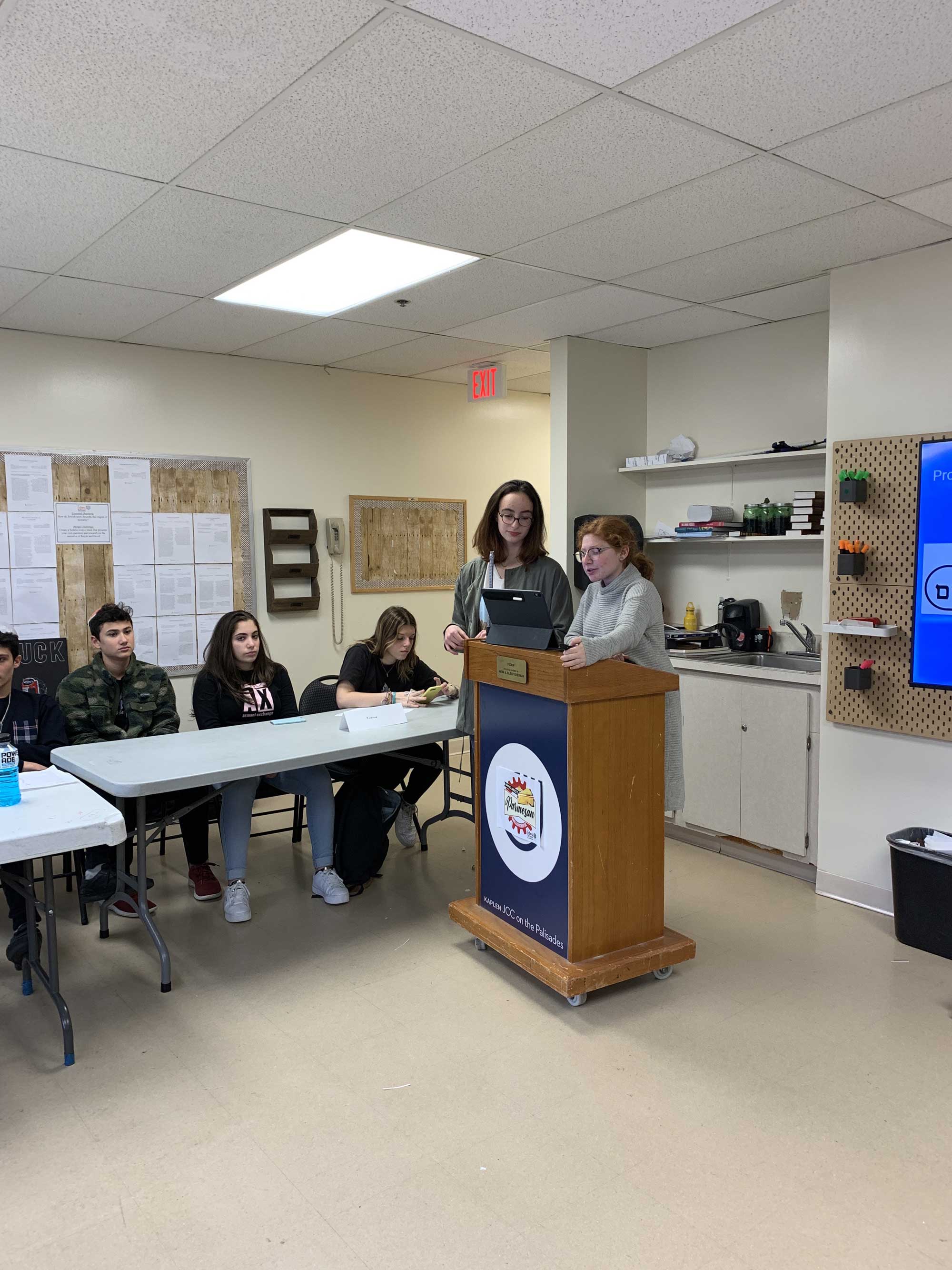
After learning the laws of kashrut and of ethical business practices, sophomore students created their own food truck business. The students had to present their progress on the project to the Board of The Idea School.
Embracing digital tools has unfortunately taken on a particularly urgent importance in the time of COVID-19. As in-person instruction remains impossible for the time being, The Idea School—like many others—has gone online. The school community’s mentality (which emphasizes process-oriented thinking, adaptability, and flexibility) and its products of learning (which include more digital projects than traditional tests) have made the transition smoother. However, there is still no substitute for being together in-person. “School is a community,” Tikvah Wiener says. “Right now we’re atomized.”
Years before the COVID-19 crisis, the technological revolution and its impact on daily life were part of what originally inspired Wiener to reconsider her own approach to teaching and to pursue the development of The Idea School. As a young person, Wiener attended Orthodox Jewish schools and through her own first decade or so of teaching, she was “a pretty traditional teacher.” When more and more students started bringing digital devices to class, she began to seriously consider the ways the world had changed—and the ways that education had to change along with it.
As students sat behind their screens, they could be physically present in the classroom, but mentally someplace else entirely. “But when you looked at their screens, some of them were actually doing interesting things,” Wiener said. So why not harness the creative potential of the digital world, and students’ interest in it, for classroom learning?
After extensive research, Wiener chose to complete her training at the Educational Leadership Academy at the High Tech High Graduate School of Education in San Diego.
Many of the values that Wiener learned there struck her as compatible with Jewish educational values—particularly with respect to “connecting the learning to the learner,” or helping students to develop personal connections and reflect on what they learn. This comes naturally to Jewish educators who are already “thinking about the whole person,” helping students to grow emotionally and socially, giving them strategies to become well-rounded individuals, and connecting their Jewish learning to their life experience.
The Idea School’s Inquiry Beit Midrash is just one example of the innovative models for Jewish education it has developed. The class is composed of four parts: speaking inquiry (during which students may ask questions about anything); engaging with texts; product creation; and reflection. As is explained on The Idea School’s website, the ultimate aim of the Inquiry Beit Midrash is to help students “make meaning of their world,” which requires “meeting students where they are . . . and help[ing] them express who they are.”
In keeping with its commitment to fostering innovation and project-based learning in the Jewish educational field at large, The Idea School recently launched The Idea Institute. Made possible by support from The Covenant Foundation, The Idea Institute is a professional development and communal learning resource for educators interested in progressive education philosophy and strategies. The Institute looks at ways to innovate while “meeting all mandated state and university standards along the way.” The ultimate goal is to empower educators to “provide generations of [their] own deserving students with an education of impact, a world of understanding, and the motivation to live a life of purpose.” In addition to its teacher training programs and workshops, the Institute has already started providing resources online, with more to come.
As The Idea School and Institute continue to adjust their plans in response to COVID-19, the students themselves have also acted to preserve what they feel is important. This year, in observance of Yom HaShoah 5780, Idea School students were to have produced an exhibit on Holocaust history on view at the Teaneck Public Library and the Kaplen JCC. When closures due to COVID-19 effectively cancelled the prospect of in-person exhibits, the students pivoted and re-created the exhibit as an online experience: “Resistance and Justice: An Idea School Digital Exhibit for Yom HaShoah 5780.” Research was completed by the freshmen and sophomore students; the exhibit was edited by sophomore students Sarah Gorbatov, Ezra Glasman, and Irit Wiseman.
In a moment of uncertainty, The Idea School students—with the help of their teachers—launched their own contribution to Holocaust memory and education. The students already know this lesson well enough to demonstrate it for us: To meet the needs of our time, we need to work together, think creatively as well as critically, learn new things, and create meaningful ways to fulfill our commitments to one another.
By Miriam R. Haier, for The Covenant Foundation
Miriam is the Director of Content and Strategy at Pure+Applied, a multidisciplinary design studio in New York City.
More to Consider
- The Promise of Progressive Jewish Education
- Playing in the Sandbox: Project-Based Learning Takes Root
When photographer Zion Ozeri and a group of New York City teachers met last October and chose “Sanctuary” as the theme for their students’ work in DivercityLens, they had no idea how prescient their choice would be.
Now, more than six months later, as the coronavirus pandemic has upended New York City life as usual – with schools shifted to distance learning, museums and cultural institutions closed – the students’ photographs and texts are particularly timely, poignant, and powerful.
This year, though, there will be no exhibition of the artwork as in previous years, and the catalog will not be in print, but available online. Ozeri, a Covenant Award-winning educator, has been working with the New York City Department of Education for almost a decade, sharing a curriculum he developed to explore diversity – and ultimately the common threads that unite people – through photography.
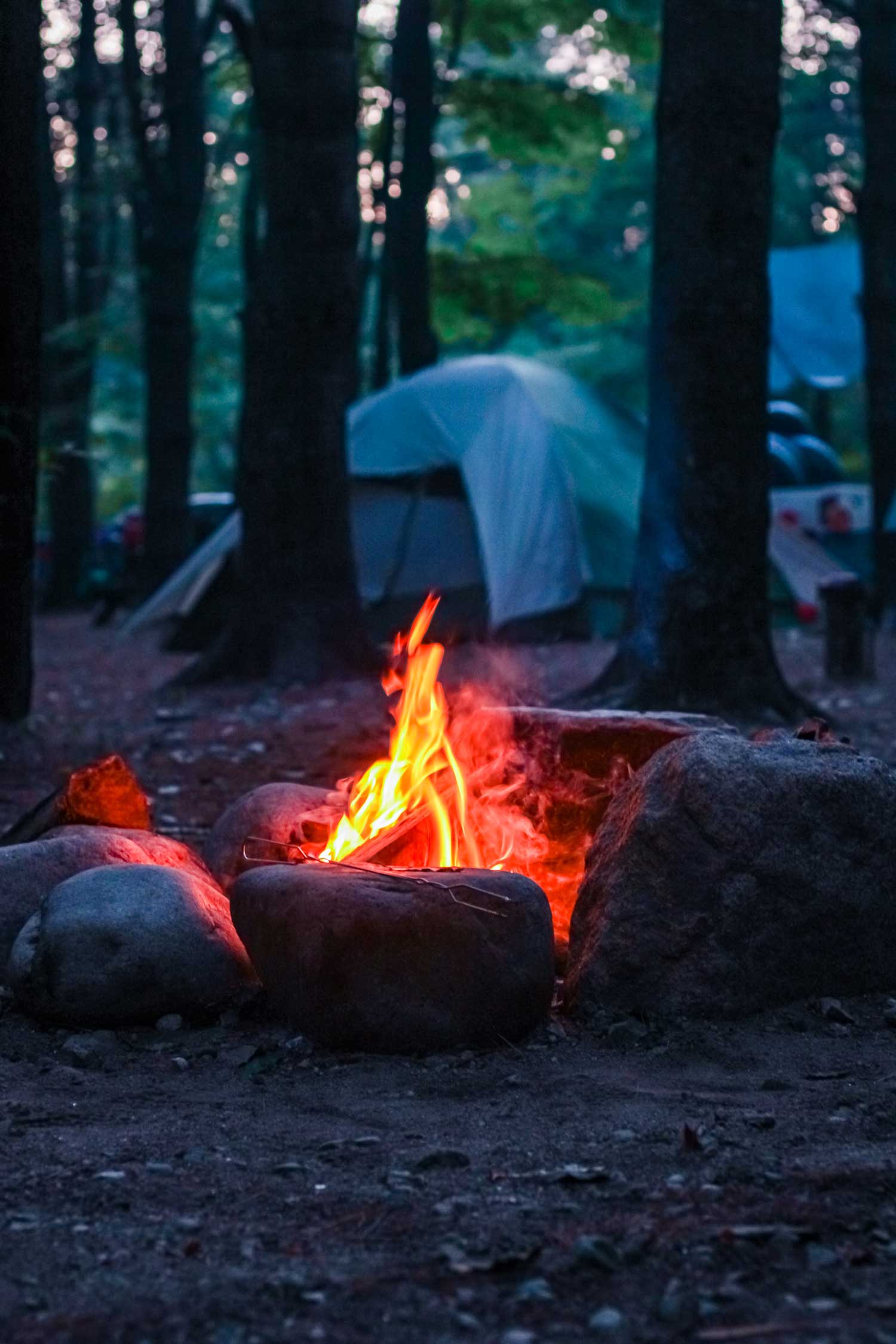
Photo by May Lin.
“We chose Sanctuary,” Ozeri says, “not knowing that we would all be looking for our own sanctuary.”
The students’ photos, executed with striking artistry, chronicle their inner worlds and their environments. For one student at New Utrecht High School in Brooklyn, Maleny Perez-Martinez, sanctuary is home and her city neighborhood, the places where she is known. She writes, sanctuary is "where the bakery on the corner knows how I like my tea." Another student, May Lin, seeks out nature, where she is "alone with expanded space and infinite time."
The photographs include a museum highlighting a different culture for Rubaya Ruba and for Tiffany Huang, a gathering of hands, layered, as they all reach to the center in an embrace or huddle, an innocent touch now unthinkable these days.
Huang writes, “This team is my sanctuary.”
All of these young women are students at New Utrecht, working under the guidance of Adrienne Mikulka, the school’s Visual Arts Educator.
“What’s appealing for the students is that they are being asked their opinions about the photos and the writing,” says Karen Rosner, Director of Visual Arts of the NYC Department of Education Office of Arts and Special Projects. Rosner, who has been involved with the program since its inception and is the focal link between Ozeri and the teachers and students, continues, “I am struck each year, that these kids are such deep thinkers -- they have a side that is very contemplative and reflective. I’m very proud of them.”
The program involves 18 teachers, drawn from schools in every borough; the schools are mostly high schools with a couple of middle schools. Ozeri meets with the teachers at an opening session and then continues to work with them throughout the year on the formal elements of photography, curating the photos, and finetuning the captions to make them precise. The texts are statements that explain something about the photo and provide a sense of the student’s vision. Ozeri describes the captions as a kind of midrash on the photographs – they look beyond the surface to more profound meaning. The entire process enhances the students’ skills in photography, visual literacy, and textual analysis.
“This work shows us how to live in a diverse community and society and realize that, bottom line, we are all the same. We don’t want to let what is different divide us. That’s the main thing,” Ozeri says.
With teachers, Ozeri discusses the work of master photographers whose work he has long admired and finds inspirational, including Eugene Smith, Dorothea Lange, and Robert Frank. As part of the curriculum, Ozeri shares around 200 photographs that he has taken around the world; many, but not all, are taken in Jewish communities. For instance, when he shows photos of Jews in India or Ethiopia – who may not look typically Jewish to the students – he is affirming the value of diversity. Additionally, many of the study texts he shares are from Jewish sources.
“I believe that Jewish values are universal,” Ozeri says, “whether talking about the environment, Shabbat, or relationships ben adam l’chavero, between one and another. And I believe that the Jewish community is a reflection of the world at large.”
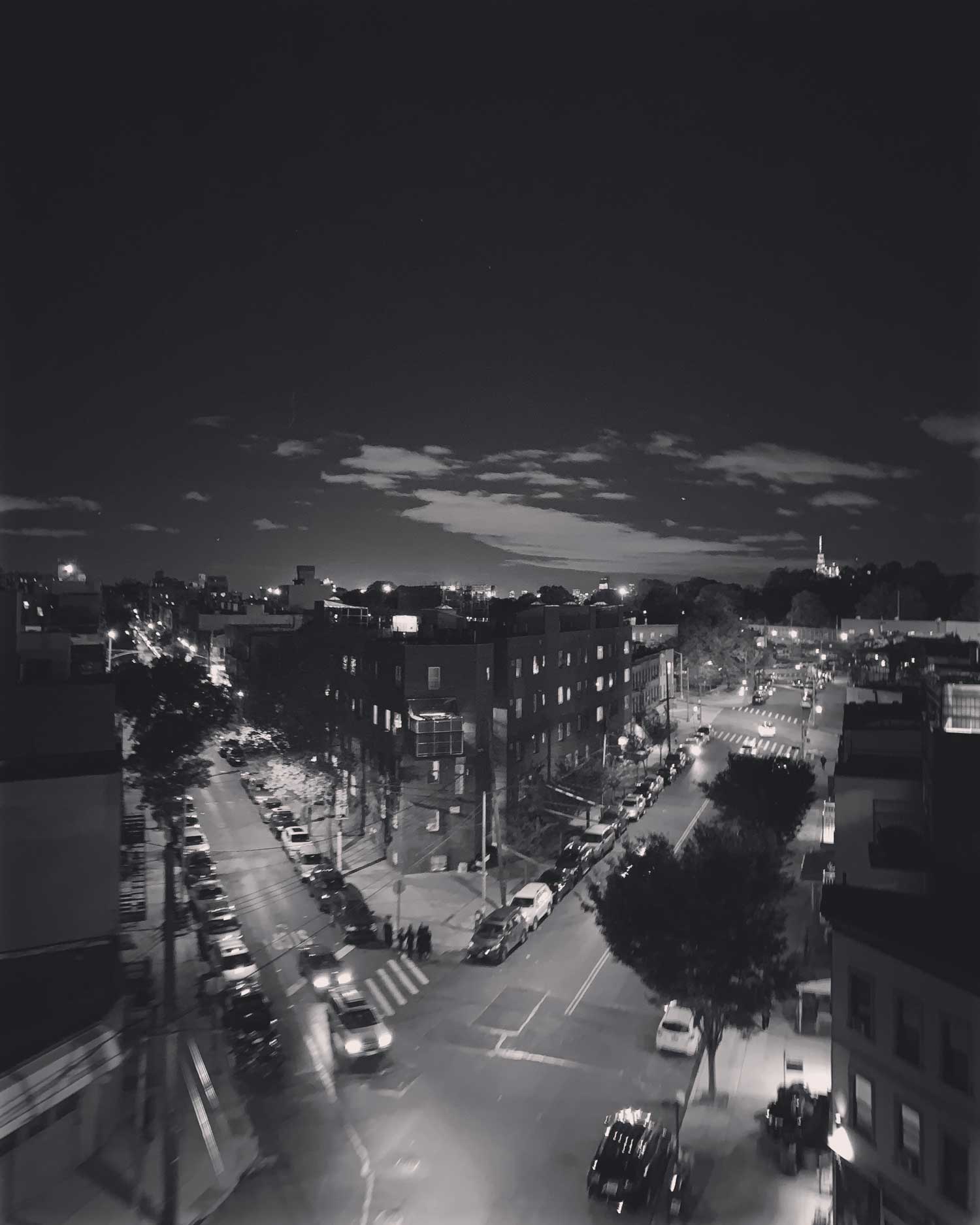
Photo by Maleny Perez Martinez.
Ozeri would like to see the program scaled up to include many more schools and see it replicated in other cities. The DivercityLens is an outgrowth of a project he initiated in 2004, JewishLens, which features photography as an educational tool and uses images to ask important questions. That project is now under the auspices of the Museum of the Jewish People at Beit Hatfutsot in Tel Aviv, Israel, and he serves as creative director.
“Imagery is a good trigger to start conversation,” Ozeri says.
These interconnected projects are helped by the fact that almost every student has a phone and can take photographs with ease. And the technology is getting better and better. But for Ozeri, who admits to being “old school,” one of the drawbacks of the digital age in photography is that, unlike in previous times when a photo was thought to reflect reality, today’s photos are not necessarily believable as they might have been photoshopped. By always encouraging students – no matter what equipment they use – to think before they snap and figure out what it is they want to say, he pushes their creativity.
Education isn’t a field Ozeri expected to be involved in, but he enjoys it thoroughly and is highly engaged.
“This work comes from my heart,” he says.
Ozeri, 68, grew up in Israel, initially in a transition camp for new immigrants after his parents arrived from Yemen. He was the first of his siblings born in Israel, so he was given the name Zion. Growing up, he attended Bnei Akiva (orthodox) yeshivas, where he sat for many hours learning every day and evening. Always full of high energy, he knew this learning model wasn’t for him – and he was bored. He moved to New York in 1973 after his army service, but returned to fight in the Yom Kippur War as a tank commander. Upon his return to New York, he studied art and photography at the Fashion Institute of Technology and Pratt Institute. His photographs have been published widely, in his own books – including the spectacular “The Jews of Yemen: The Last Generation” and “The Jewish World Haggadah” – and in magazines and newspapers, and he has exhibited in museums and galleries around the world.
In the early 2000s, as he was frequently traveling and taking photos, particularly in Jewish communities around the world, he began to get invitations to speak. One thing led to another, and he realized that he was actively promoting his long-held interest in the diversity of the Jewish community and the idea of people listening and learning from one another. He then began experimenting with writing a curriculum that would bring together images and texts, making his methodology accessible to others.
About DivercityLens, he says, “My involvement over the years has reinforced my belief that art is essential to learning; it’s a core feature of the educational landscape.”
Rosner speaks of the great collegiality between Ozeri, the teachers, and students. She describes the teachers as a very dedicated group who all live with diversity. Many are professional photographers themselves and having worked on the project for several years, have now “taken off their training wheels.”
“Zion has put his heart and soul into this. We’re very thankful,” Rosner says.
By Sandee Brawarsky, for The Covenant Foundation
More to Consider
- From Poland to Uruguay: Jewish identity in pictures
- Jewish Lens Winners of 2020
- Jewish photography world, Jewish communities, Zion Ozeri Photography
- A collaboration between Zion Ozeri and Sefaria
- Israel's 'Other Half'
- Zion Ozeri, 2013 Covenant Award Recipient
- Zion Ozeri, 2013 Covenant Award Recipient (film)
The Validation Project, a global youth empowerment organization, strives to teach students to recognize their worth and turn their passions into social change. Founded in 2013 by Valerie Weisler, then a high-school freshman, The Validation Project has reached over 6,000 teenagers in 105 countries so far.
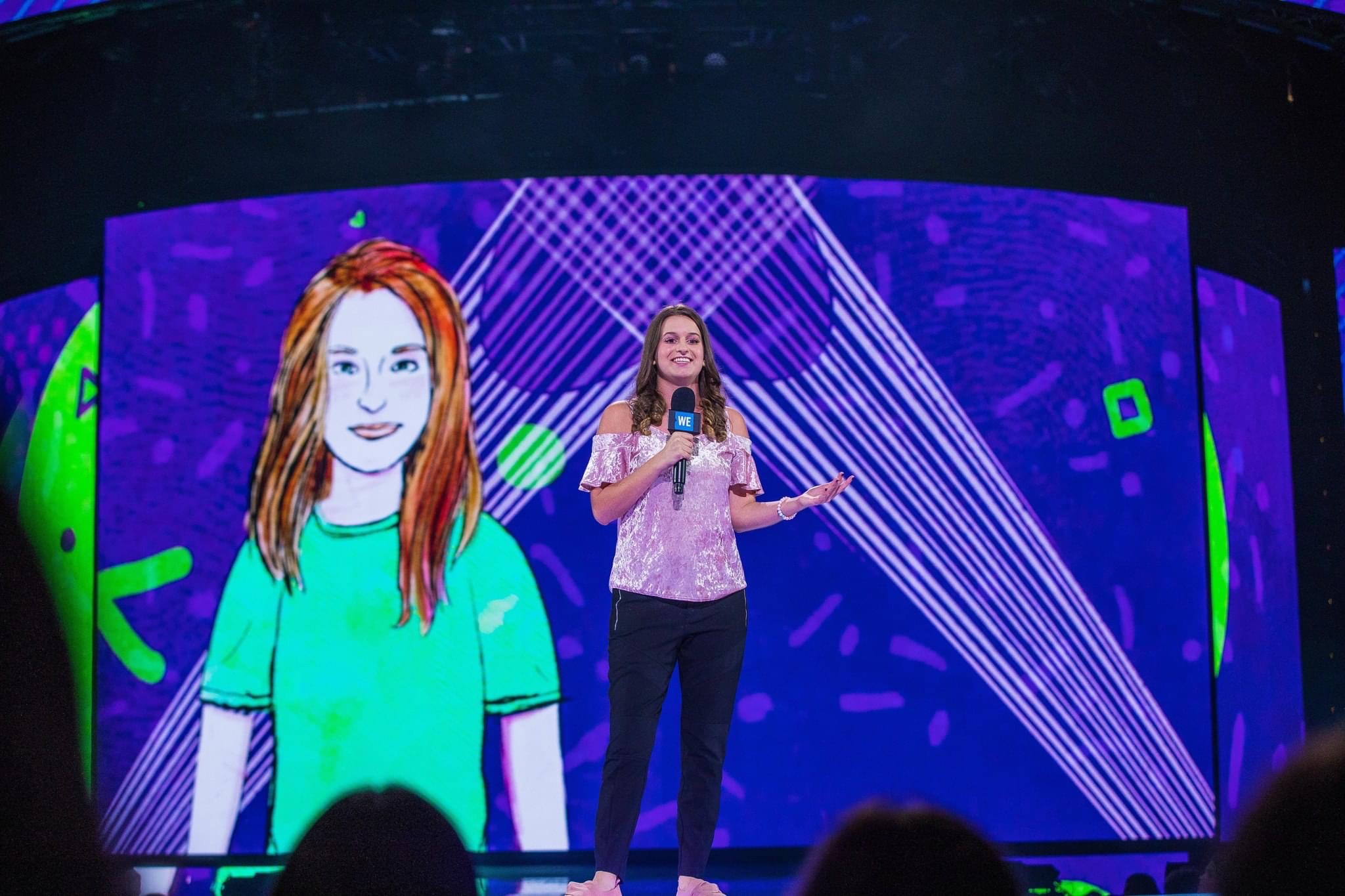
Now a senior at Muhlenberg College, Weisler describes her inspiration for founding the project. She was bullied in high school and felt alone.
Bullying is prevalent throughout the country, harming young people in various ways. According to a 2019 CDC report on preventing bullying in schools, 20% of students were bullied on school grounds last year, and bullying occurs weekly in 14% of public schools.
Weisler explained that she experienced a “click moment” while witnessing another student bullied at school. “I felt like I had to do something and I knew I would have support from my Jewish community,” she said.
Since founding The Validation Project, Weisler’s Jewish community has been her “biggest support system.” Weisler grew up spending her summers at Ramah Day Camp in Nyack, NY and served on USY’s “International Social Action/Tikkun General Board” throughout middle and high school.
Beginning her social justice work in these Jewish spaces helped shape her belief that she could start The Validation Project. Weisler recounted, “Through USY, I learned how to put an idea into action, and through Ramah Day Camp in Nyack, I knew firsthand the power of friendship and supportive adults who give youth the tools to make a positive impact.”
As her organization grew, so did her Jewish network. At the beginning, her USY friends led events at their conventions, and her Ramah counselors encouraged her to continue with her important work, “spreading it to their communities as well.” Later, the Foundation for Jewish Camps, USCJ, numerous synagogues, and The Covenant Foundation became partners, broadening the organization’s impact internationally.
The Validation Project utilizes various campaigns and tools empowering students to recognize their worth and transform their passions into action. These resources include a Resilience Workbook that provides prompts and activities to set goals and gain confidence, Popcorn Pop-ups to bring free screenings of social justice-themed films to young people, a Celebrity Ambassador Program that spreads the organization’s message on social media, and Bookmark, which helps educators use literature to spread the message of empowerment and social action. Weisler also designed a “pro-kindness curriculum” that is currently implemented in 1,000 schools to teach students and educators how to use entrepreneurship to solve problems in their communities. These programs reflect Weisler and The Validation Project’s commitment to validating each individual’s passions and interests, while providing the tools to make real change.
Weisler also works hands-on with students who experience bullying through her one-on-one mentoring program and through the establishment of Validation Project chapters in over 1,000 schools around the country. When describing the positive impact of these programs, Weisler shares, “I've gotten to see the immediate transformation that happens when I hand a student a marker and ask them what they care about. In 30 minutes, students ranging from age five to age 18 have full-fledged campaigns, ready to solve issues in their communities using their passions.”
The Validation Project is continuing to develop new ways to help students. Weisler is currently envisioning adding “a think tank where youth can work for free with policymakers and lawyers to solve the issues they face.” Weisler hopes to develop a “layered fundraising plan” within the next two years to allow her to run The Validation Project full time when she graduates from college in 2020.
Understandably, the current global pandemic has transformed much of The Validation Project’s programming, which relies on workshops in schools and in-person events. Once summer begins, the organization will be launching a virtual summer school, “with weekly workshops on Zoom teaching everything from how to draw a person, to how to cook, to how to be a storyteller.” Social media will be utilized to engage students and members of The Validation Project community from across the world. Plans include Instagram “takeovers” to show followers different parts of the world and sing-along sessions from international artists. Weisler is taking the lessons from this difficult time to strengthen her organization. “It's been difficult to pivot so quickly,” she said, “but it's causing me to ensure we are as accessible as possible – during this situation, and always moving forward.”
As the world changes and many young adults feel helpless, The Validation Project provides an inspiring example of how to turn a painful experience into positive change. It can take a single moment to spark a passion, whether it’s realizing you’re not alone, or advocating for a peer – each individual’s passion can transform into action. To create this change, Weisler’s advice is to “take advantage of the network you already have. Talk to your friends, your family, your rabbi, your teachers. Ask questions and don't be afraid to ask for help. Many people will tell you that you can't do this: You can.”
By Molly Voit, for The Covenant Foundation
More to Consider
- The Validation Project's Val Weisler on CNN International
- Turn On Your Light | Valerie Weisler | TEDxYouth@Hewitt
- Valerie Weisler '20 Named 2019 Truman Scholar
- Hands
- Preventing Bullying
- Why Teaching Kindness in Schools Is Essential to Reduce Bullying
- Toxic
Some people think of art-making as the attempt to create a great masterpiece. I don’t see it that way. I think about it as a practice that helps me get through the day. This is true in normal times; it’s even more true now.
I’ve loved writing and music since I was a kid. I went to college and grad school to study my craft, and I put in my ten thousand hours of practice, and I work hard at my art. But in the end, I make art now for the same reason I began long ago: it’s a way for me to deal with the hugeness and vulnerability of how it feels to be human. A way to process all the emotions I experience in the course of a normal day. Plus, it’s fun.
In addition to my love of making art, I love using art in my teaching. Whether it’s writing or dance, collage or sculpture, knitting or TikTok videos, art is a miraculous tool. Art allows us to create our own small world - a natural tendency of humans, since we are made of the image of God. It gives us a way to keep our hands busy, which is more important than it might sound. And it lets us chew on deep, juicy human questions in a small, manageable way.
How can we make our surroundings (our clothes, or bedrooms, or notebooks) line up with what’s inside us? What really matters; how should we live; how can we deal with our own emotions, our desires, and the parts of our lives we feel like we can’t stand for one more moment? And I’m serious about the TikTok videos; anyone making one has to ask, what do I want to keep to myself, what do I want to reveal to the world, and how do I do that?
If this sounds appealing (or if you could use a break from everyday reality right about now), try one of these creative prompts below. I’m offering them in the form of writing because it’s one of the most accessible ways of making art, since most of us use it every day anyway – but if you feel more comfortable in another medium, simply translate these prompts into your favorite art form. No matter what form you choose, I encourage you to try and approach it with a sense of playfulness, not deadly seriousness! Have fun, and see what comes out. You might be surprised. And you never have to show anyone, so you can be totally honest.
-Write a poem in the form of a list of questions. Write as many as you can think of. They can be silly or serious, angry or bored, relevant to your daily life or totally wacky. The only rule is that you’re only allowed to write questions. See where it takes you!
-Write a short letter to your future great-great-grandchild. You could choose an occasion like their b’nai mitzvah or a specific birthday. What do you wish for them? What do you want to pass down to them about this moment in your life? What’s a memory you’d like to share with them? A secret you’d like to tell them?
-Create a post in your favorite social media (or, if you don’t like social media, write a poem or draw a cartoon) that gives the world a glimpse of who you are inside. It can be something funny you notice in the world around you; a serious observation about your inner or outer life; a skill most people don’t know you have; or a quote you agree with.
-Find a quiet corner, take a few breaths, and write a poem or a few sentences about what’s happening inside you, beneath all the noise. How are you? What do you need? What are you learning about yourself? Is there any way you could be more gentle with yourself?
- What’s something you’ve secretly dreamed about creating, or never thought you could? A fashion design, a memoir, a play, a dance… create a low-stakes, two-minute miniature version right now!
A Bat Mitzvah Tutor’s Blessing
I hand you the yad,
silver pointer to trace the letters
as you chant,
and you place it
beneath a letter on the parchment
and breathe in.You conduct
the electric current
now. It is your turn.
So many mouths have held
these letters.
So many teachers,so many students,
all of us both at once.
There is no early or late in Torah,
say the rabbis,
just this moment,
which is every moment:you chanting, a spring
flowing from thousands
of years ago, living in you.
If you are a vessel,
and we all are,
may you be filled with loveand wisdom,
with teachings which are yours alone.
And one day, when you are
as impossibly old as I am,
may you too have the privilege
of passing downwhat you have learned.
How to Sail
Scrape the curse off the parchment. Stir the broken letters
into a jar of water. Make a woman drink it: thus said Elohim. But why: thus said Molly, twelve years old. Now I was the teacher. We sat there, two black flames in a room of white fire. We were sailing on a wind that passed through the open window of a room next to the marketplace, two thousand years ago.
(reprinted with permission from Divinity School by Alicia Jo Rabins (American Poetry Review, 2015)
How to Graduate
God wrote me a letter in invisible ink. But I got overwhelmed: the parchment, the lemon juice the light and the candle. I accidentally set it on fire. For forty days and nights, the smell of caramel surrounded me, and when it receded, I sent out my only dove.
(reprinted with permission from Divinity School by Alicia Jo Rabins (American Poetry Review, 2015)
More to Consider
- Pandemic Poems That Bubble Up
- Girls in Trouble: The Personal Impact of Foundational Stories with Alicia Jo Rabins
- AliciaJo.com
The best way to describe my quarantine is “a paradox prayer,” a phrase I’m borrowing from a friend, Chloe Zelkha, who leads Avodat Lev (service of the heart), a virtual space of prayer, poetry, and groundedness. Inspired by Rabbi Simcha Bunim, one of the founders of Hasidism, Chloe recently asked, “If you were carrying two slips of paper in your pocket, two opposite truths that tell the story of a big both/and coming up for you in this moment, what might they say?”
The responses were varied and moving. They reflect how many of us are feeling.
“To be alive at this time is terrifying // to be alive at this time is inspiring.”
“This too shall pass // this will have lasting impacts.”
“We are safe // we are vulnerable.”
“It is okay to be happy // it is okay to be sad.”
“I am strong // I need help.”
“It is time for vigilance // it is time for ease.”
“It is too much to hold // my heart has infinite capacity.”
Chloe’s question is the perfect prompt for this moment, both because of the pandemic and because this month marks an end, a beginning, and an in-between for many of us, finishing a school year and embarking on an awfully abnormal summer.
For me this year has been high highs // low lows. I’ve been tired // energized, absent // present, doing // still. Assignments have been missing // turned in. In quarantine the feeling compounds; I’ve felt confined by dichotomies // freed by liminalities.
Ever since I’ve had real responsibilities, I’ve had a rocky relationship with time and structure. I question whether, if I’m doing work that’s meaningful to me—creating art, having conversations, community organizing—I should be doing schoolwork. If I’m enjoying time with a friend, I could be helping around the house. If I’m taking time for myself, I could be working out. Now, we’re often in two “places” at once, the week and weekend are harder to discern, havdalah doesn’t quite feel like a separation.
That same day on the Avodat Lev Zoom call, someone else shared a paradox prayer in a different format: “As I am separated from all, I am connected to all.” Framing the paradox—of being, at once, separate and connected—with an “as,” underscores that the dichotomy we’re experiencing isn’t static, but in motion.
As much as I love the idea that we’re exploring contrasts in the midst of this crisis, the connections are just as vital. The slash approach helps me recognize the way things often feel—divorced, separated, at odds with each other. The “as” approach reflects the interdependent realities I feel. It’s not glass half full or glass half empty, but as the glass empties, we’re hydrated. As the glass empties, the plant is watered. Each part of the paradox affects the other. The hours are abnormal, but I’m actually getting enough sleep. I’m staring at a screen all day, but I can take classes outside. I miss friends, but I’m enjoying having my brother home from college (even though his sourdough starter has failed more times than it’s worked).
Structure isn’t so rigid. Space isn’t so physical. Time is more fluid. I’m embracing the imbalance, appreciating the in-between, learning from the paradox prayer.
By Emanuelle Sippy, for The Covenant Foundation. Emanuelle is a junior in High School in Lexington, KY. She is a co-director of the Prichard Committee Student Voice Team, a community manager at Future Coalition, and an editor of jGirls Magazine.
More to Consider
- How Kentucky Teens Are Handling COVID-19
- Part Staycation, Part Home Detention
- What did we talk about before Corona?
- Lessons from the pandemic: My Experience with COVID-19
- Test Optional Should Be the Standard
- Staying afloat with the Universal Pass system
- TEDx: Questioning Apathy, Engaging the Apathetic | Emanuelle Sippy
- Students as Education Partners
- NYC Students Testify On School Diversity
One of the newest and most highly anticipated children’s museums in the country, the Cayton Childrens’ Museum at Santa Monica Place, opened its doors to the public just seven months ago, in June 2019. The first museum of its kind in Los Angeles, The Cayton offers 21,000 square feet of “discovery-based” exhibits, hands-on learning, public programs, workshops, classes, camps, and arts and cultural activities for children ages 0-10.
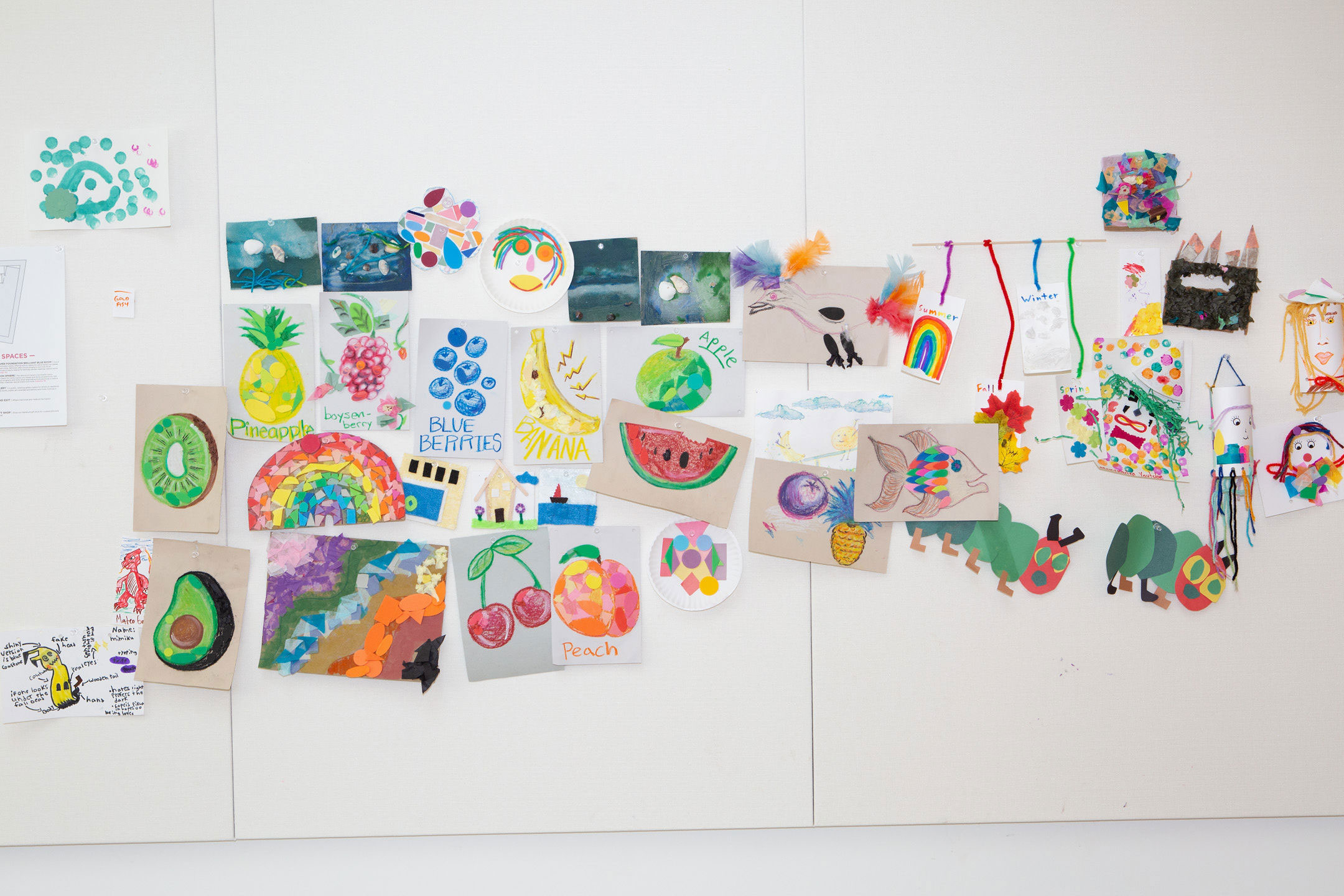
The Cayton’s roots are embedded in a small Jewish children’s museum, known as My Jewish Discovery, which was housed in the Westside Jewish Community Center. That enterprise eventually became The Zimmer Museum, which lived for 20 years in the Jewish Federation of Los Angeles building. And while The Cayton, the newest iteration of this one-of-a-kind museum, is no longer housed in a Jewish-auspice building, as Esther Netter, Chief Executive Officer of The Cayton asserts, “derech eretz and menschlekeit remain a central part of the guiding philosophy of the space.”
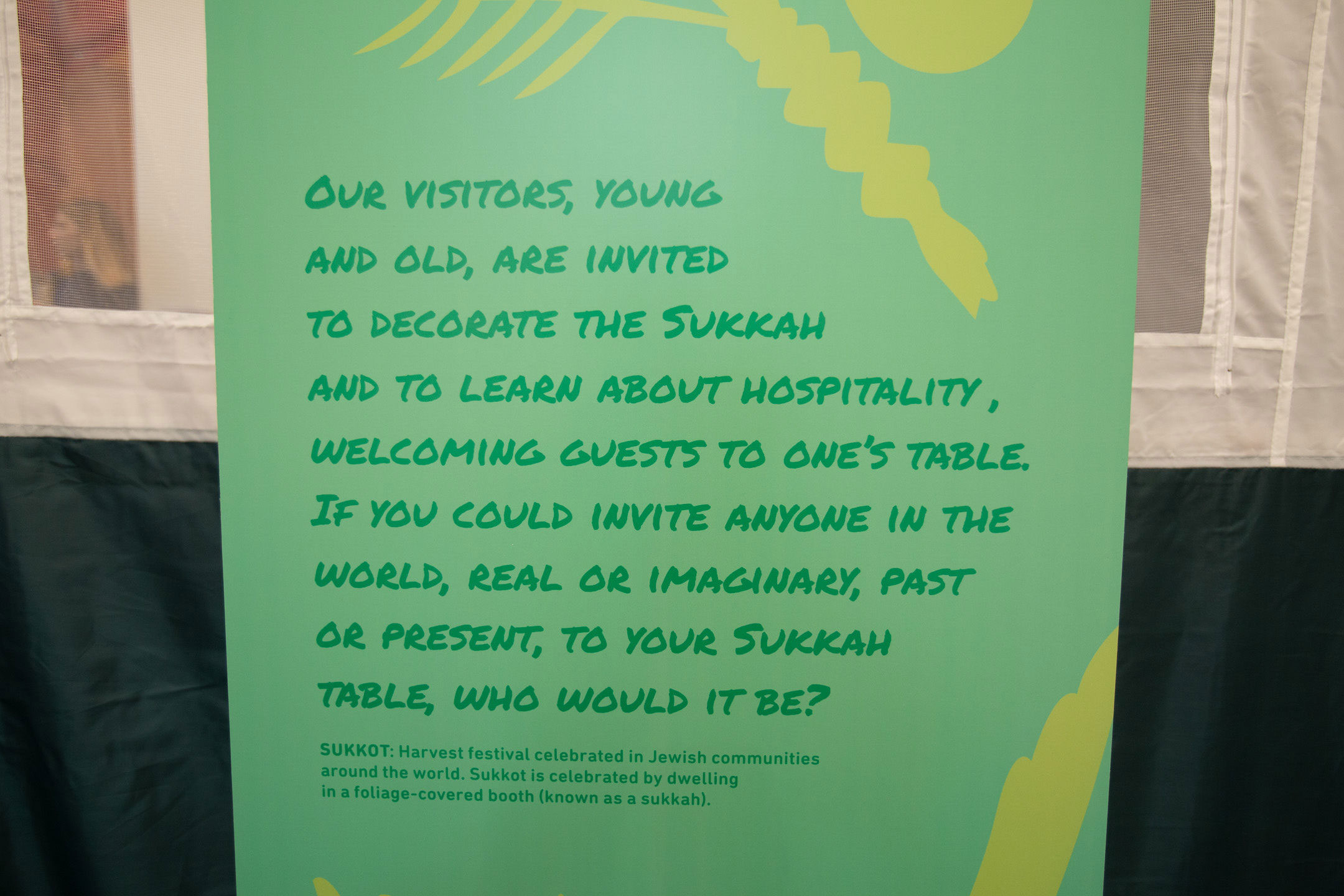
“Children’s museums are places of gathering, places where havurot can organically form, places where families come on weekends to learn and socialize,” Netter said. “And we knew that in order to keep evolving, we needed to think about widening our tent for those gatherings.”
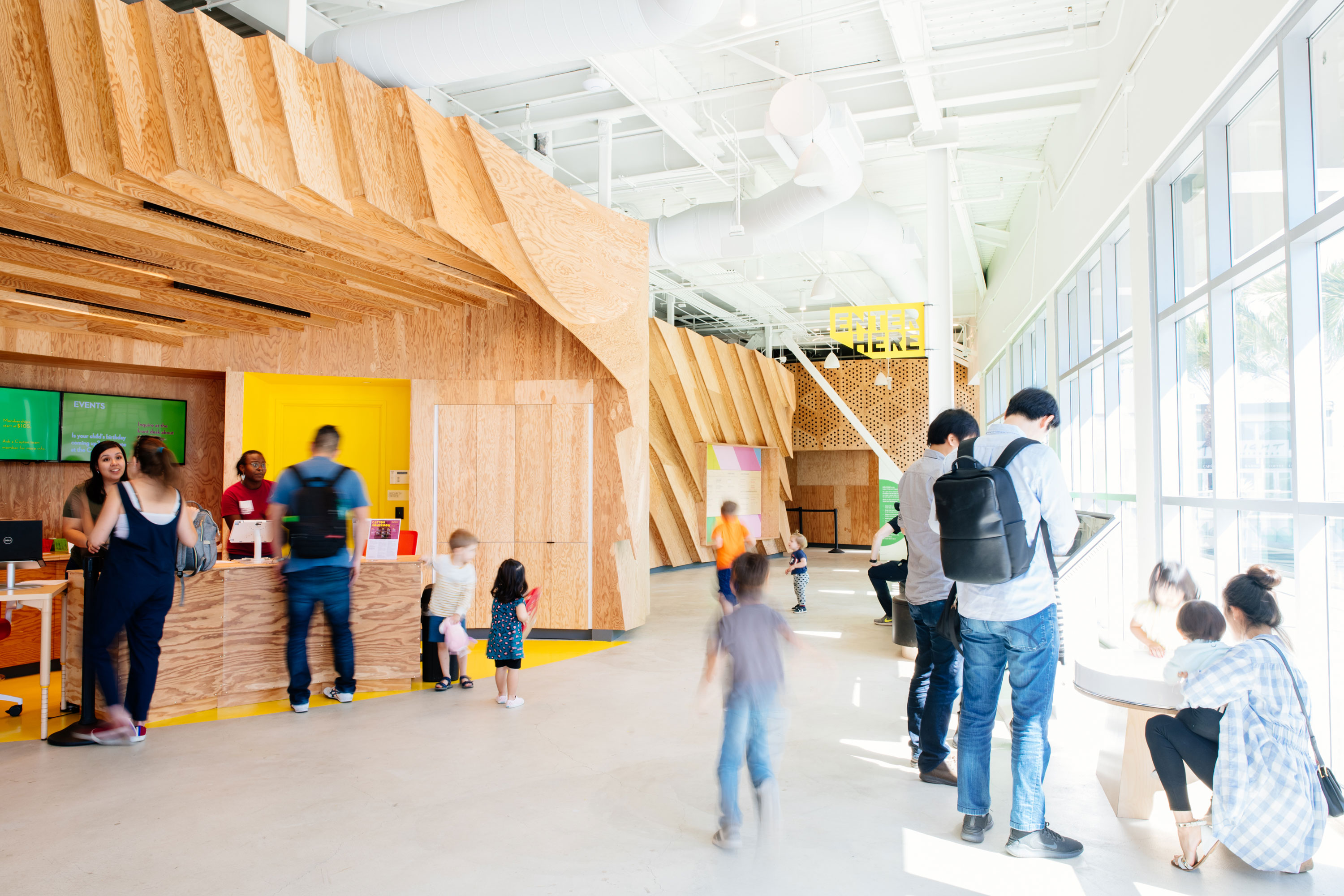
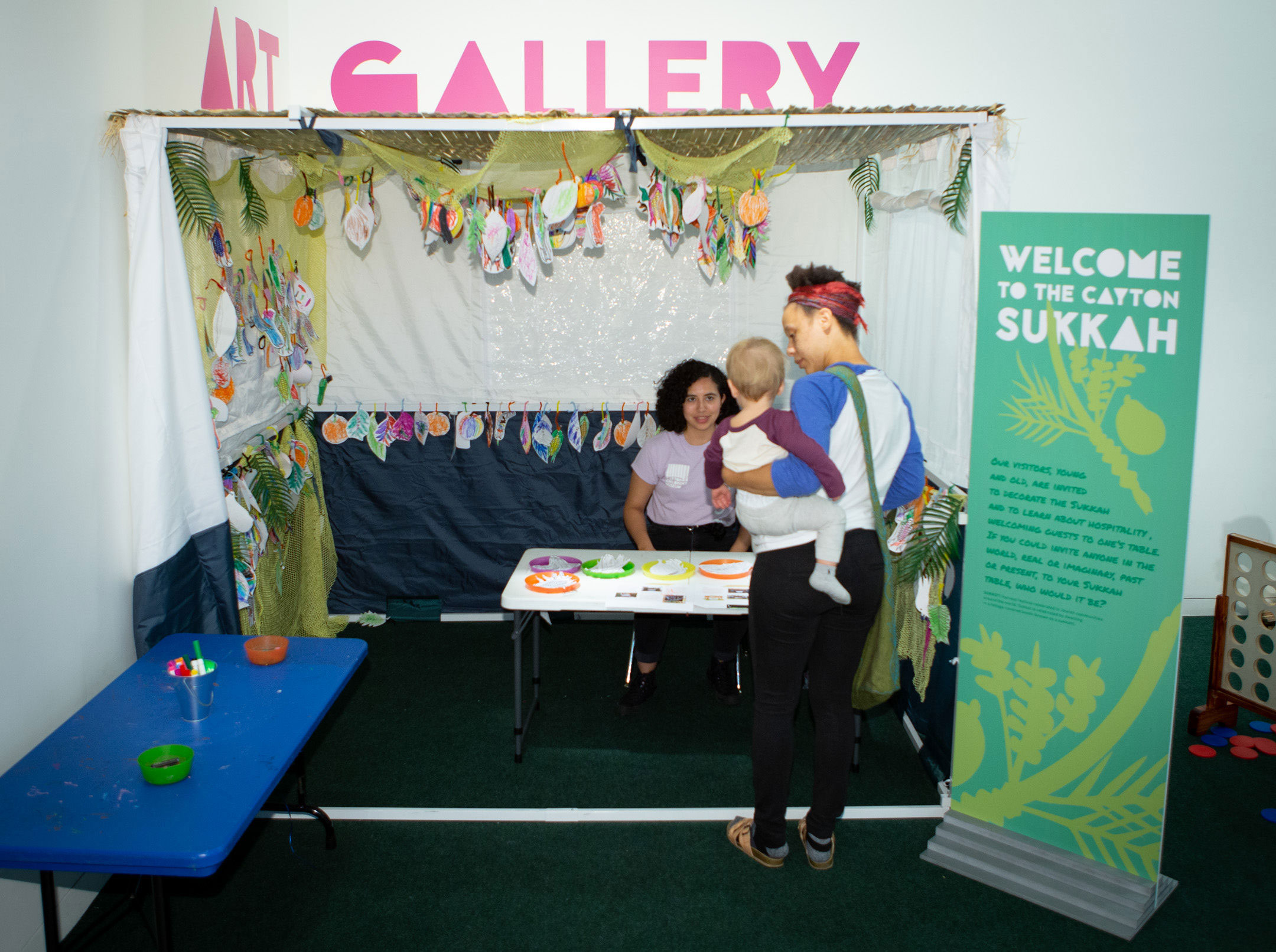
“Our programming is diverse,” she added, “reflecting the population that frequents the Museum. “In addition to events for the major Jewish chagim, we have programming on Dia de los Muertos, Juneteenth, Black History Month, Diwali, and many other intercultural events.”
Netter explained that for each program and exhibit created at the Cayton, the educational and artistic team asks, “Is this mission-aligned?” What they’re really asking is, “How does this exhibit or program teach kids and families how to be one’s best?”
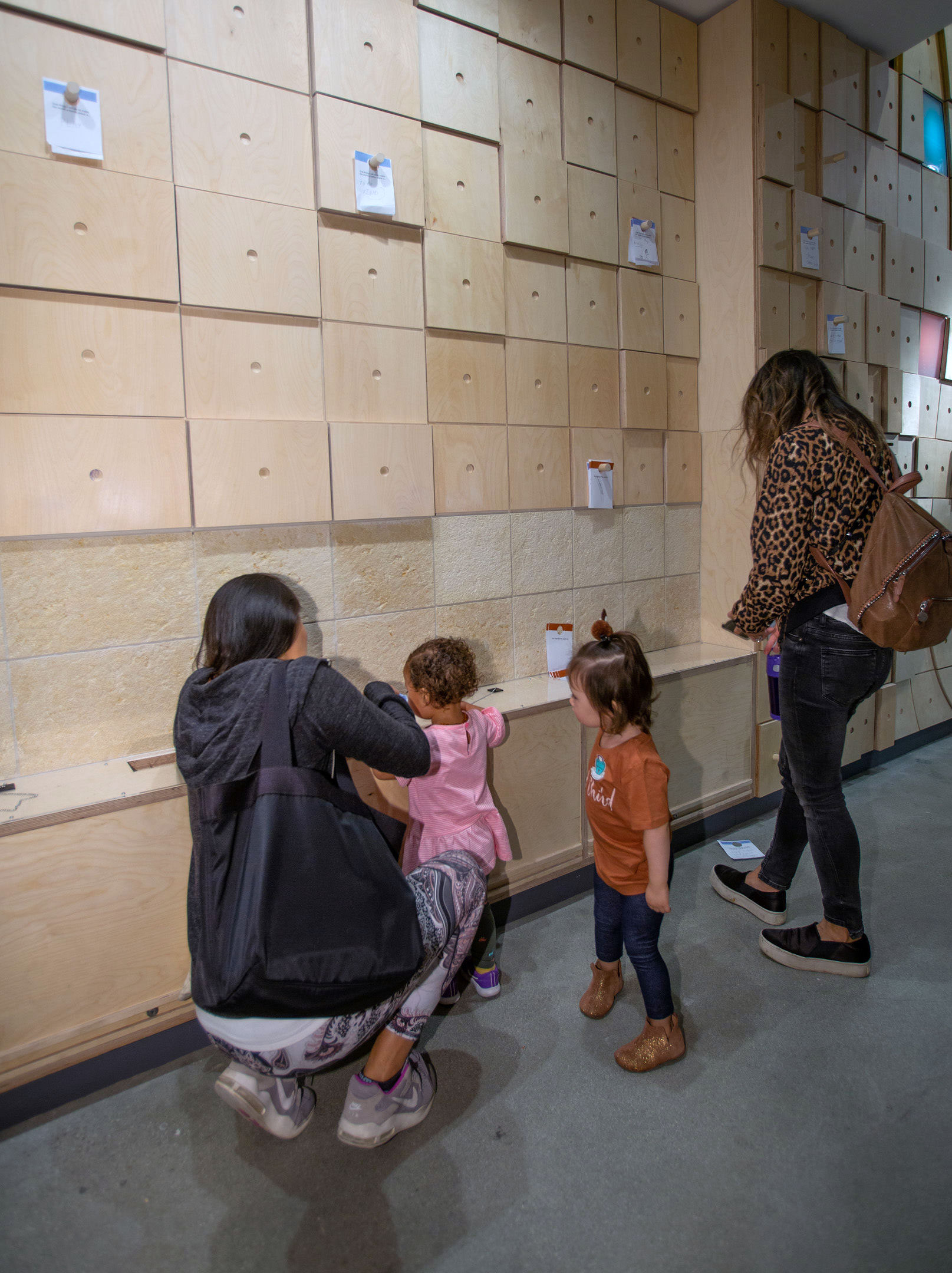
“The idea of ‘being one’s best’ is really the underlying premise for the 613 mitzvot,” Netter added. “Our Jewish spirit exists in our commitment to teach the values we're teaching, to be an open tent of welcoming and gathering throughout the calendar year, and to acknowledge and celebrate the 30 years of Jewish community that started in that small space so long ago.”
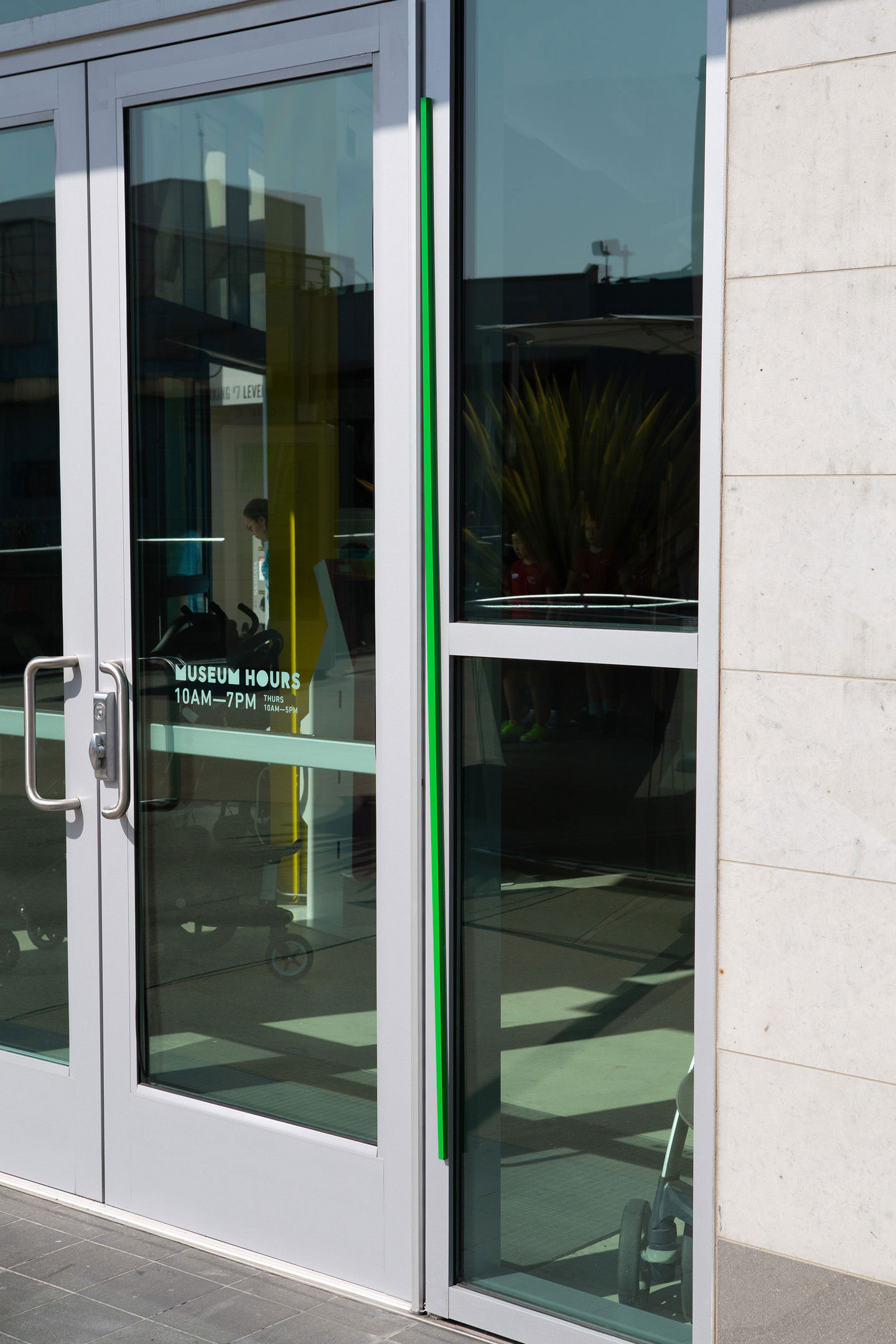
Netter pointed to the oversized mezuzah which sits at the front door of the Museum. Sponsored by one of the Museum’s funders, she explained that the mezuzah marks a portal, symbolic of the Museum’s connection to the past, present and future.
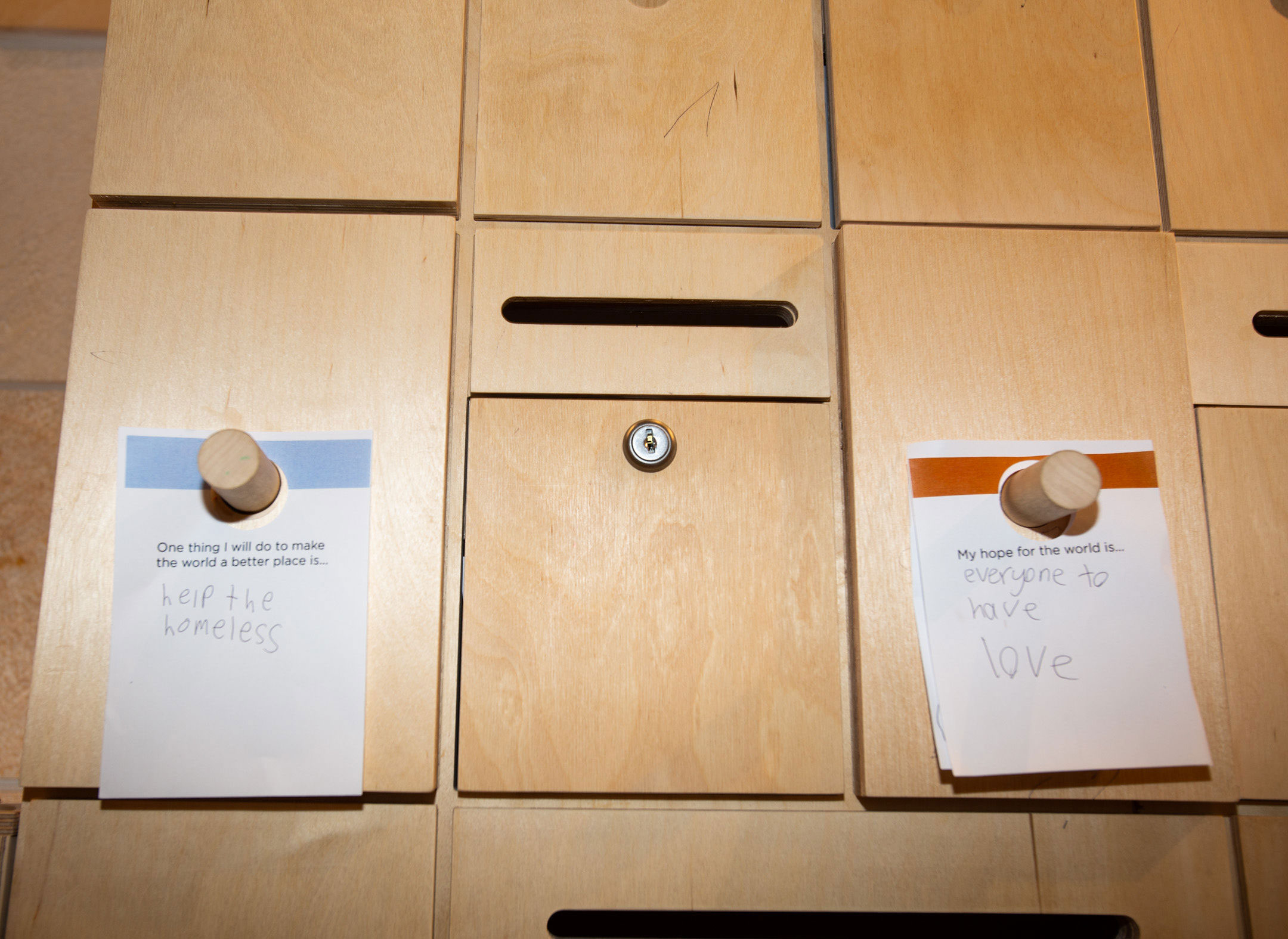
Similarly, there’s an artistic interpretation of the Kotel, The Western Wall, known as the Wishing Wall at the Cayton, constructed in part with Jerusalem stone. Created “with inspiration from many cultures, sacred spaces, sites, and memorials throughout the world,” this exhibit encourages visitors to draw and write their own wishes, ideas, and thoughts to add to the Wall.
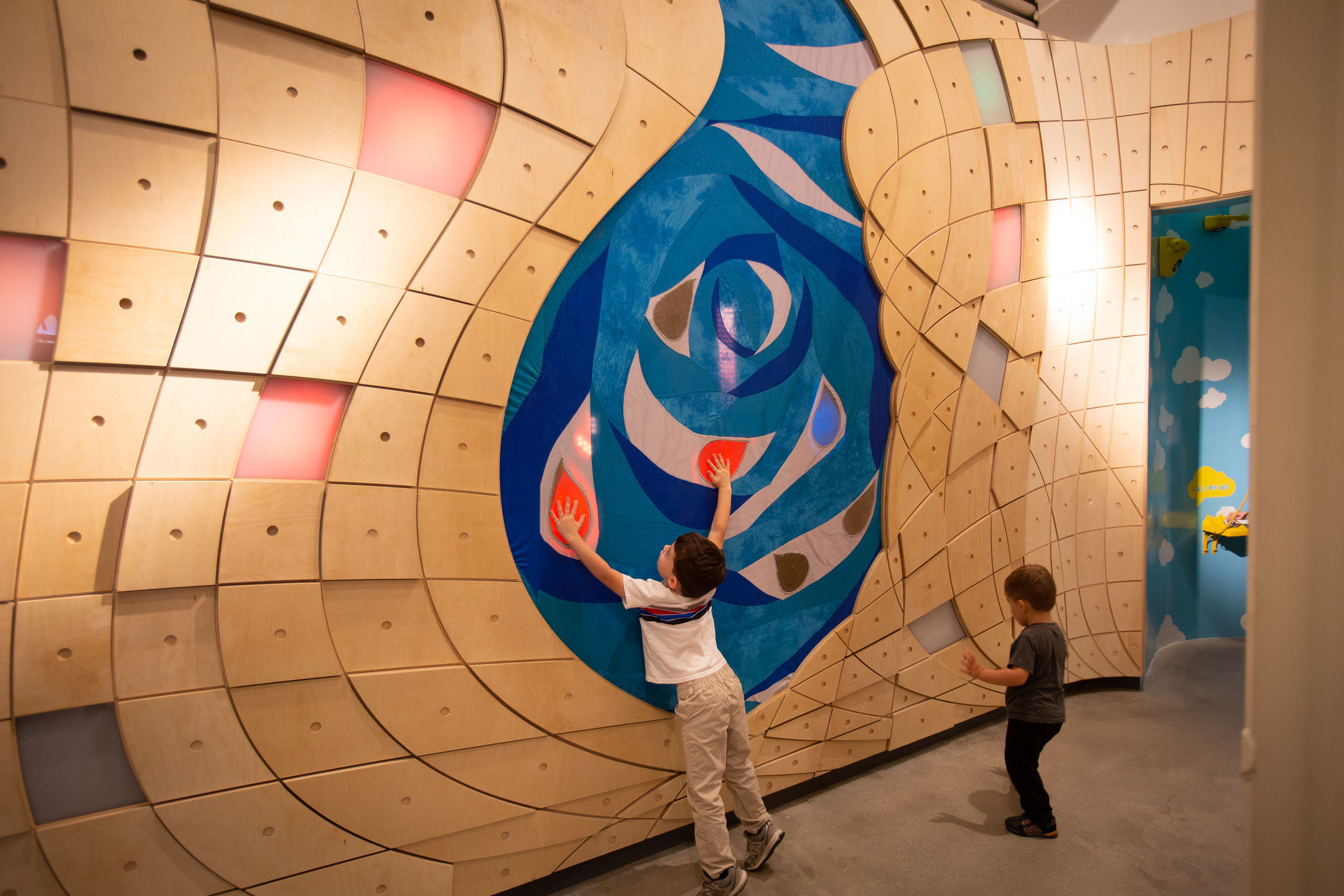
In many ways, these expressions are symbolic of the way our community is changing and growing to include influences from myriad cultures that now inform the Jewish American family’s experience.
“The Jewish family is changing,” Netter said, “and so we ask ourselves, ‘How can we use our communal places of gathering in innovative ways that open our tent to all kinds of families?”
By Adina Kay-Gross, for The Covenant Foundation
More to Consider
- Esther Netter on the Value of Play and Santa Monica’s New Childrens’ Museum (The Jewish Journal, November 2019)
- Want to Teach Children Love and Kindness? Bring Them to this Californian Museum (Frame, July 2019)
- The Kids’ Review of the New Cayton Children’s Museum: A Sticky Thumbs Up (The LA Times June 2019)
- The Cayton Rethinks What a Children’s Museum Can Be in 2019 (The LA Times, June 2019)
- Like Abraham’s Tent: Inclusivity and Other Lessons from The Zimmer Museum (Sight Line, January 2019)
- Esther Netter, a One-Woman Dynamo (The Jewish Journal, June 2004)
When Naomi Silverman’s great-grandmother Rita Rosen passed away in 2016, she was 89 years old and Naomi was 11. The two were very close. According to Naomi, Grandma Rita was “one of my favorite people in the world.”
Just before Rita passed away, Naomi’s family shared stories with one another about her life, as families often do when they stand at the precipice of such significant loss.
“The end of someone’s life can offer a ‘discovery moment,’” said Naomi’s dad Jerry. “As family members go through photographs and share memories, they find out details that hadn’t previously been known.”
But in the case of the Silverman family, the moment was made even more auspicious, because simultaneously Jerry heard about a program called “Curating My Family Story,” which would be running at The Contemporary Jewish Museum in San Francisco and would allow him to formalize the remembrance process with Naomi.
“The program caught my eye,” Silverman said. “It involved a series of three workshops [from September through November of 2016] during which parents and kids work together to make a Jewish family genealogy art project.”
There was also the added incentive of a trip to Israel for the winner of the Curating My Family Story Competition.
“How could we go wrong?” Silverman added.
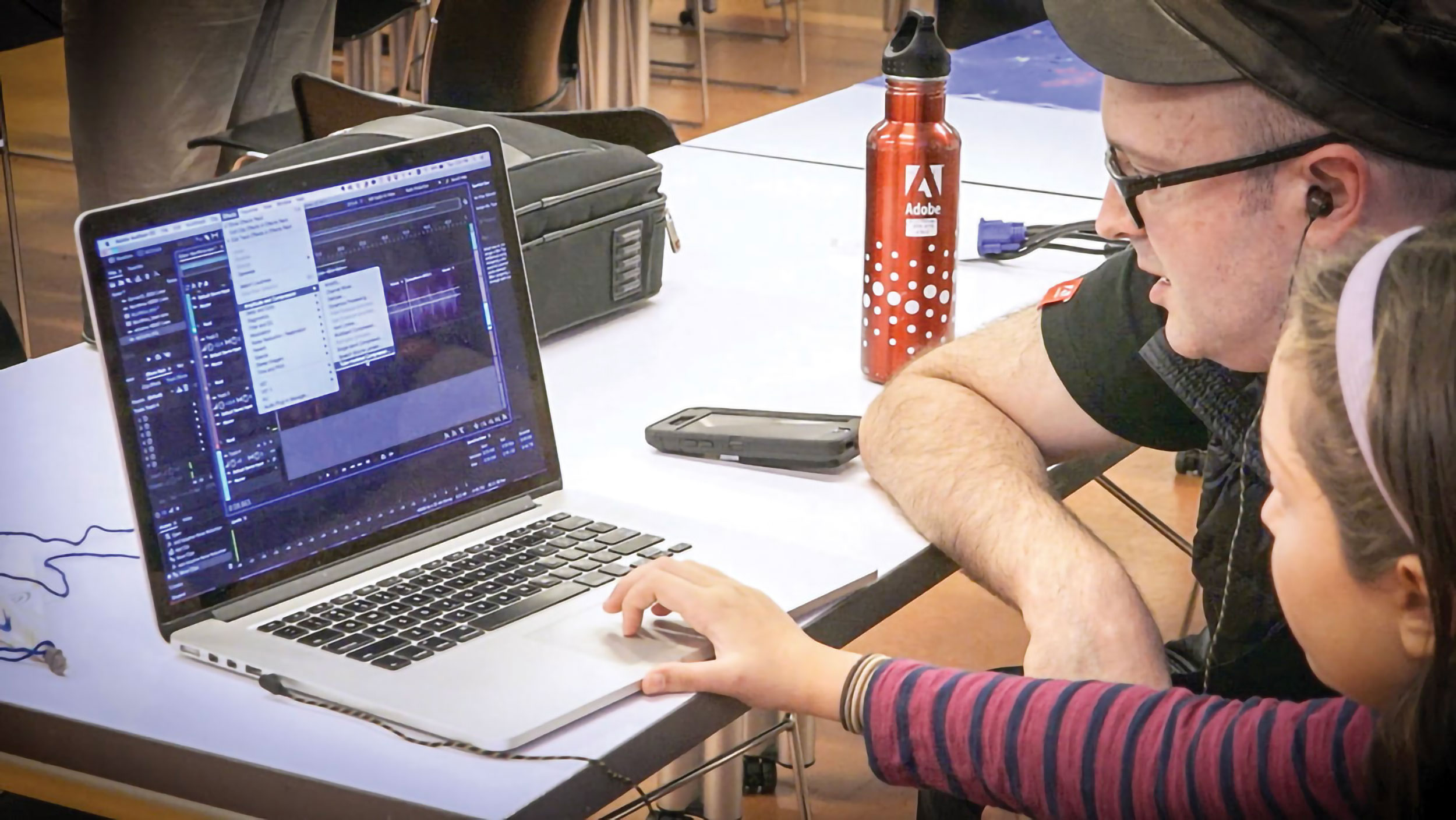
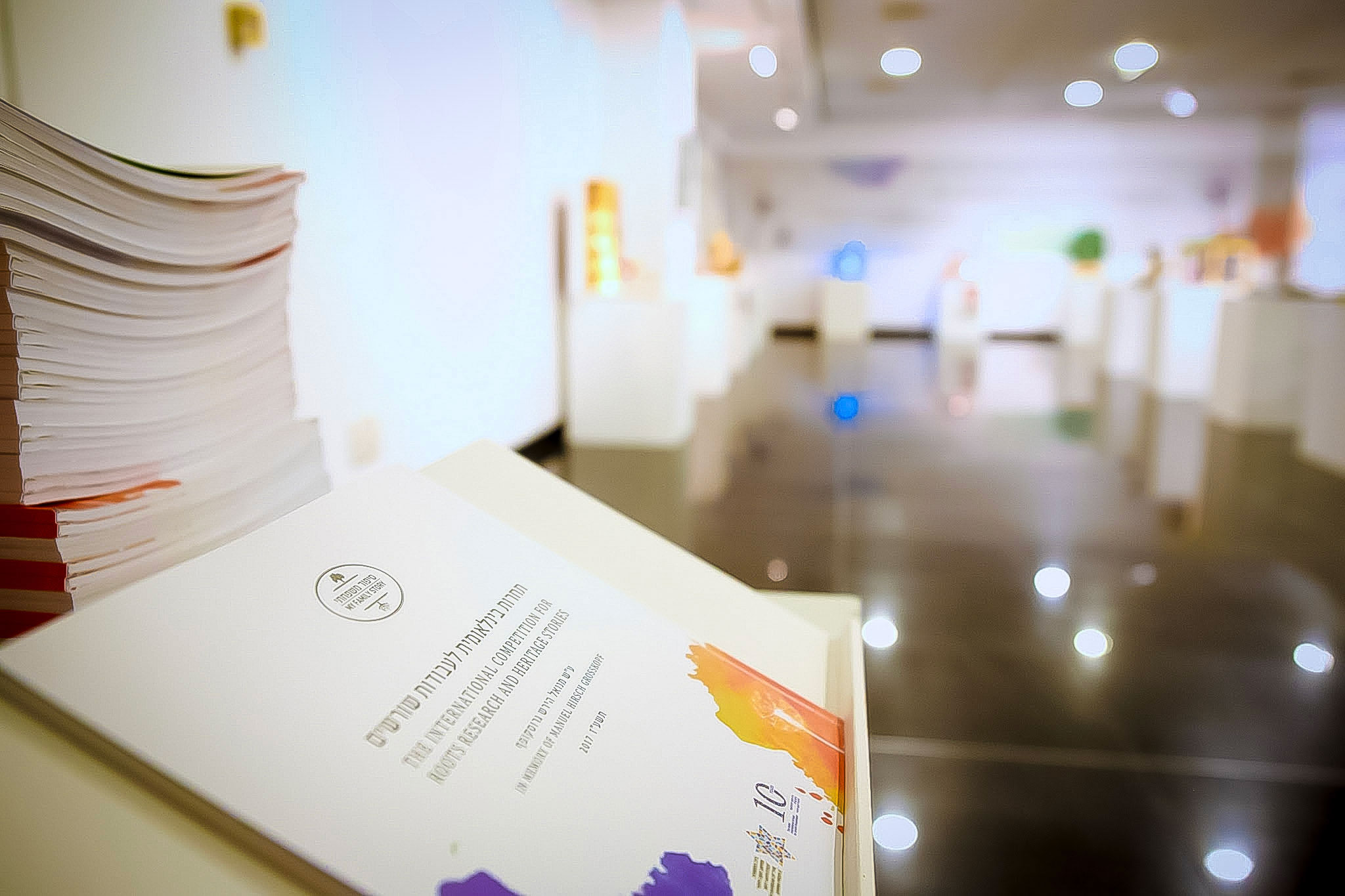
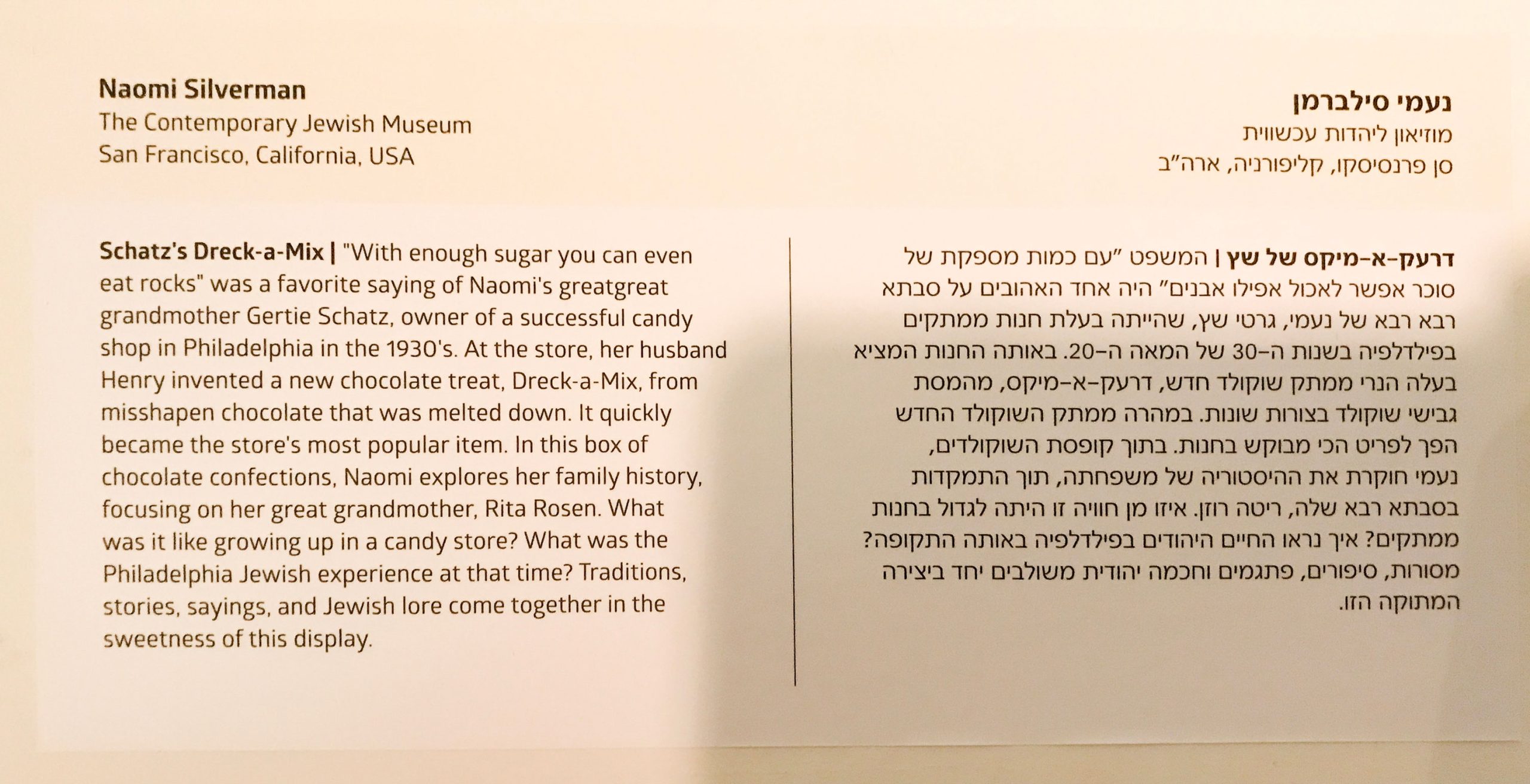
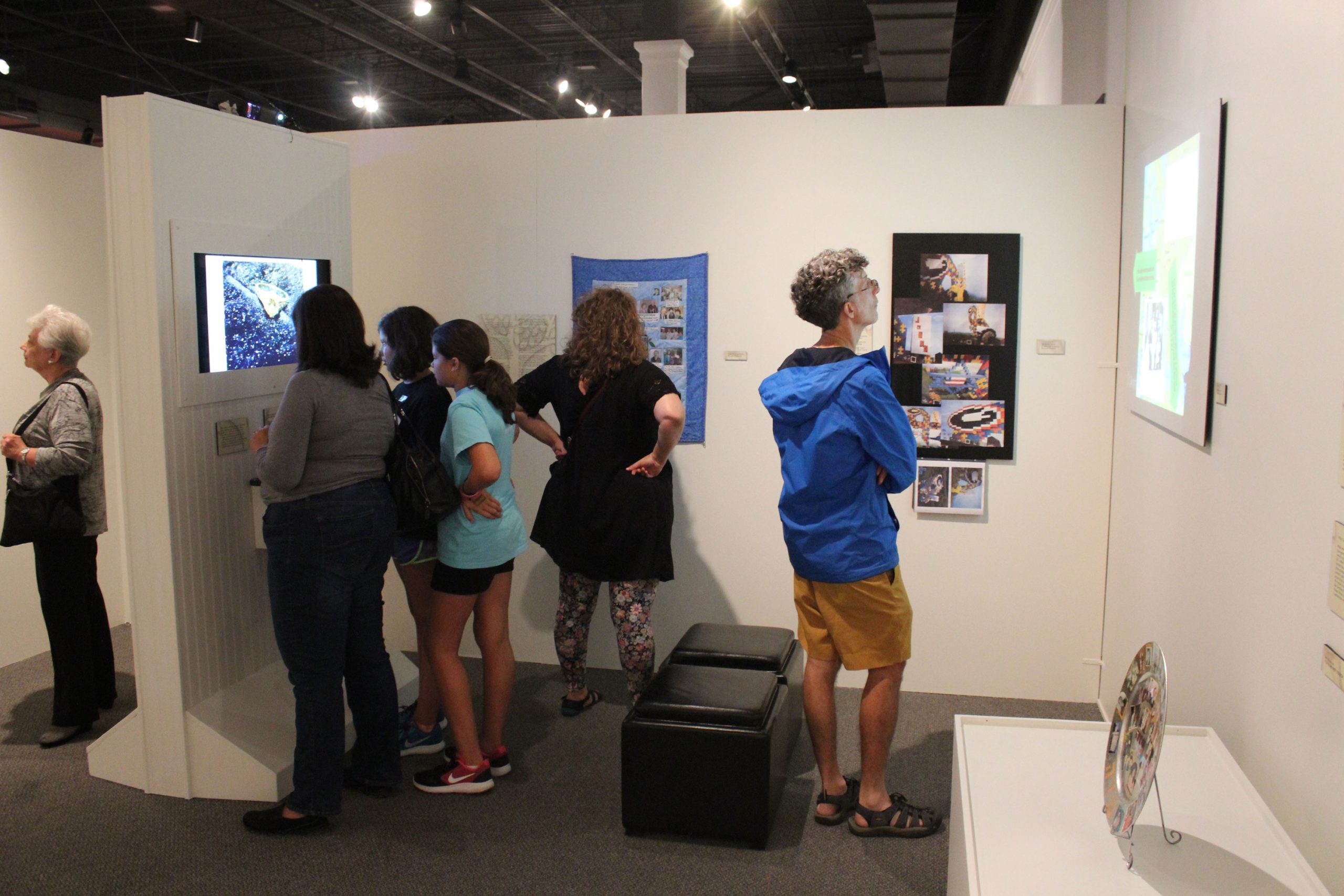
The Curating My Family Story workshop series that Naomi and her dad discovered (and which has been supported by a Covenant Foundation grant since 2015) is an iteration of The Museum of the Jewish People at Beit Hatfutsot's My Family Story, and was designed especially for Jewish museums and JCCs. The program invites families to conduct roots research, oral histories, and collaborative artmaking to create an artistic display based on their research and family history. Geared toward students aged 11–15, the participants are invited to submit their artwork to the Beit Hatfutsot “My Family Story International Competition” for a chance to be included in their annual exhibition in Tel Aviv. Winners are invited to Israel for the competition and celebration.
It was Shula Bahat, a Covenant grantee and the CEO of Beit Hatfutsot of America, who took a particular interest in the My Family Story project when she began working for Beit Hatfutsot over a decade ago. While the project had been implemented by a few schools in the U.S. before she began her tenure with the Museum, it was Bahat who saw the great potential in reinforcing Jewish identity and connection to the Jewish people through the platform of this program.
“As a sociologist, I was acquainted with Professor Marshal Duke’s research about the importance of teaching children their family story,” Bahat said, “and that research guided me in focusing on this flagship program of Beit Hatfutsot.”
Now expanded to include programs running in Baltimore, Seattle, and San Francisco, the Curating My Family Story program engaged over 50 schools and 2,500 families in the past year. And since its inception, approximately 50,000 families in North America have participated in the program.
For Jerry Silverman, his goals with Naomi were modest: finding a few hours each week to spend quality time with his daughter (who is one of three children). But Silverman also knew that telling Rita’s story would be a great way to help Naomi remember this person who had been so important to her.
But what started with a modest desire by a father to spend more time with his daughter on a Sunday afternoon, developed into a winning interactive video presentation called Schatz's Dreck-a-Mix—based on the extensive research that Naomi and David conducted on the life and history of Rita Rosen.
Presented as an animated box of chocolates, their winning creation is a video that guides viewers through a presentation of stories, images, artifacts, and reflections. (You can watch it here.)
As it happens, Schatz's Dreck-a-Mix was indeed selected to be included in the 2017 My Family Story International Competition, and Naomi and her dad did get to go to Israel. There, Naomi’s presentation was displayed at the worldwide group exhibition, and viewed by thousands of museum visitors.
“For me, participating in the program was very much about building up Naomi’s Jewish identity beyond the religious school framework, and we succeeded in doing that,” Silverman said.
“Even if we hadn’t won the trip to Israel, the program provided so many opportunities for Naomi to learn about Jewish teachings and about family history.”
Karin Mervis, a teaching visual artist who has worked with the My Family Story program through The William Breman Jewish Heritage Museum in Atlanta, echoed Silverman’s sentiment.
“Using art to gain knowledge about family history is a profound way to create a dialogue between parents and children,” Mervis reflected. As a teaching artist for 25 years, Mervis has focused much of her work on how students can look at objects in a way that speaks to them, personally.
“I have a personal collage that I made, which I consider a portrait of myself,” she said. “It includes an ocean, a zebra print, an American flag, and multicolored arms (Mervis is originally from South Africa). I introduce myself to students by explaining that this collage tells my whole story, creatively, and without any words.”
“When I first meet with students and their parents, we talk about the design thinking process, we talk about empathy, we talk about stories and why they matter,” she added. Then, I offer them a bunch of art supplies like cardboard and scissors and paper and playdough and glue, and I encourage them to become hands-on right away, even if they aren’t sure yet how they want to represent their family story.”
The Curating My Family Story program initially took root in Atlanta in 2015, when Bahat met with Aaron Berger, who was then the Executive Director of The Breman, and then later, with Ghila Sanders who was, at the time, the Community Engagement Manager at the Museum.
Together, Bahat and Sanders created the Curating My Family Story pilot program with new components, like the addition of an archivist who spoke with the families about how to tell the story behind an object, a teaching artist and an educator, who taught students how to interview relatives and synthesize facts gathered in a way that would help the students narrate their stories, a new marketing plan, and the identification of new venues where the program could be taught.
“The Breman has a unique archive that collects and preserves the stories of the Jewish south,” Sanders said, “and this offers the perfect link from individual to collective. Like the Beit Hatfutsot Museum in Tel Aviv, it’s a place where everyone can bring in their own piece of personal history and become part of the mosaic of the Jewish people. Museums allow for that, because they are essentially collections of individual stories that give rise to a communal voice.”
While The Breman program has evolved from year to year, it has always culminated in a community-wide exhibition. Recently, Julie Zeff, who took on the role of Community Engagement Manager after Sanders, added an additional feature to the program that asks students to collect recipes from their family cookbooks. A hired caterer then prepares the family dishes to serve at the exhibition celebration, and each student receives a bound copy of the cookbook.
Zeff’s own daughter participated in the program, so she has the vantage point of being both a staff person overseeing the program and a family participant.
“Having this chance to get up in front of people and speak about yourself and your family [which participants do at the culminating exhibition] is good practice for B’nei Mitzvah,” Zeff said, as students who participate are generally in 5th and 6th grades, just before that particular Jewish milestone.
“Its powerful for the students to share their family stories on the stage and in front of an audience.”
“My daughter now has research and interviewing skills that she wouldn’t have learned otherwise, but perhaps even more importantly,” Zeff added, “she has a deepened connection to family, history, values, and heritage.”
For Adina Rudisch, whose daughter Noa participated in Curating My Family Story in its pilot year in 2016, participating in the program was like teaching her child to be an anthropologist.
“I had never heard of Kedainiai, Lithuania—where some of my father's family came from,” Noa Rudisch shared. “It was really cool to see the ship’s manifest with my great-great-great-grandfather’s name and occupation. He came from Riga, Latvia like my mom. I wonder if, way back when, my father’s and mother’s families knew each other.”
Noa was selected as a finalist that year for her animated film about her family’s history, and she and her mom traveled to Israel just as Naomi Silverman did.
“What I found most meaningful was seeing my Israeli family. It made me feel like I had a connection to Israel as a country, and as a home for the Jewish people,” Noa said.
My Family Story has had a similar effect on participants at other U.S. museums as well. At The Jewish Museum of Maryland in Baltimore, for example, educators kick off the program by bringing a living history character to participating schools, which functions as an introduction to what oral history is meant to be, said Ilene Dackman-Alon, Director of Learning and Visitor Experience there.
“We also take students to see Voices of Lombard Street, which is a wonderful exhibition that looks at the Jewish neighborhood where many Baltimore families started out.”
“This is really a quintessential project for a Jewish child to take part in, right before a Bar or Bat Mitzvah,” she said. “It’s so important to know where you come from before you get up on to the bima and speak in front of your entire community about your connection to Judaism.”
“This program has given dozens of kids the chance to get involved in their genealogy and their family story and produced marvelous work,” added Marvin Pinkert, Executive Director of The Jewish Museum of Maryland, which has run the My Family Story project for the past six years.
And at the Stroum JCC on Mercer Island in Washington state, families who might have otherwise been disengaged from Judaism have had a chance to access Jewish religion and culture because of this program.
Danniell Nadiv, who ran the Curating My Family Story program for two years at Stroum, said that by participating in the program, parents also have an entry point through which to engage in conversations with their kids about family history that might have otherwise been difficult to discuss—conversations about family members who perished in the Holocaust and other important pieces of information about family narratives that, once transmitted, help to ultimately foster a stronger Jewish identity in kids.
“It is my dream that every student around B’nei Mitzvah age will engage in this program,” Bahat said. “Based on our experience, doing so will deepen their own sense of identity and give it a broader meaning. The idea that we, as Jews, are part of a larger community, part of a global people not bound by geography, is enriching, compelling, and powerful.”
“As children and their families learn more about their story and how it’s connected to our global story, and that of our ancestors and friends, they comprehend personally the significance of "כל ישראל ערבים זה לזה"—The people of Israel are responsible for each other."
By Adina Kay-Gross, for The Covenant Foundation
More to Consider
- Middle Schoolers Display Personal Histories at The Breman (Atlanta Jewish Times, September 2018)
- San Jose Girl’s Family Story Wins Top Prize at Israel Museum (jWeekly, June 2017)
- Thousand-strong Crowd Sees Three Overseas Winners Crowned at Annual “My Family Story” Contest at Museum of the Jewish People (eJewish Philanthropy, June 2017)
- Breman Helps Students Weave Their Jewish Tapestry (Atlanta Jewish Times, January 2016)
Artifacts offer links to the past, evidence of history, and hints of the humans to whom they belonged. They also open new possibilities in the present.
Through the careful consideration of objects, we are admitted to stories; through stories, we encounter other people. And each encounter represents a chance to form a meaningful connection, to think critically and care deeply. In learning about the American Jewish experience, this connection has the potential to feel personal and to spark students’ curiosity about the legacies they may choose to carry.
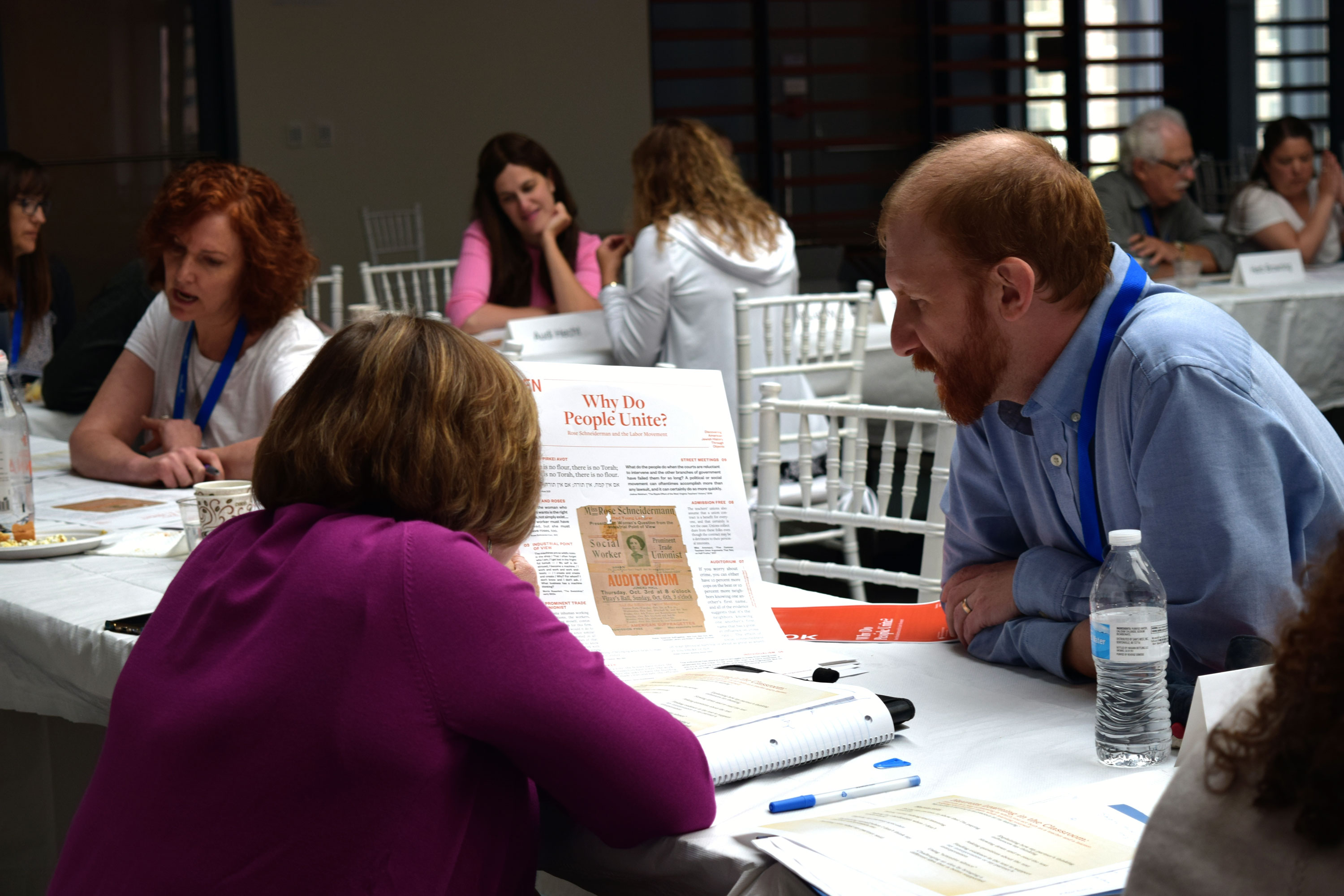
NEI attendees at the Summer 2019 conference.
Recognizing the high impact and efficacy of object-learning, the National Museum of American Jewish History (NMAJH) in Philadelphia offers ways for Jewish educators to discover the pedagogical value of objects, cultivate opportunities to implement techniques, and feel empowered to conduct object-learning in their own classrooms. The museum offers a number of programs and resources, including specific lesson plans that draw on NMAJH’s collection, student activities and resources, and teacher trainings.
And NMAJH’s National Educators Institute (NEI), founded in 2016, is its professional development program through which Jewish educators can learn how to integrate new pedagogies and guide their students to practice a caring approach.
The NEI’s centerpiece program—supported by The Covenant Foundation—is its annual, four-day seminar that brings educators to Philadelphia for talks, workshops, onsite museum learning, and access to experts. (In addition to the onsite NEI, NMAJH educators travel to two communities each year to provide day-long professional development seminars.) NEI activities include group workshops, panels, customized work sessions, and small discussion groups—ensuring that educators have what they need to absorb content and build a teaching community.
One of the annual seminar’s key features is its embrace of different Jewish educational models. Jewish day school teachers as well as congregational school teachers (whose students are grades 5-12) are welcome to participate. To address the differences between Jewish day school and supplementary Jewish educational settings, the NEI presents two tailored tracks. However, even more importantly, the museum becomes a place for these educators of different pedagogical and teaching backgrounds, from across the U.S., to gather and learn together.
“[NMAJH] is a leading institution creatively teaching, interpreting, and inspiring dialogue about the American Jewish experience,” explains Dr. Josh Perelman, NMAJH’s chief curator and director of exhibitions and interpretation. “The museum is dedicated to bringing educational lessons based on its collection and content to classrooms across the country.”
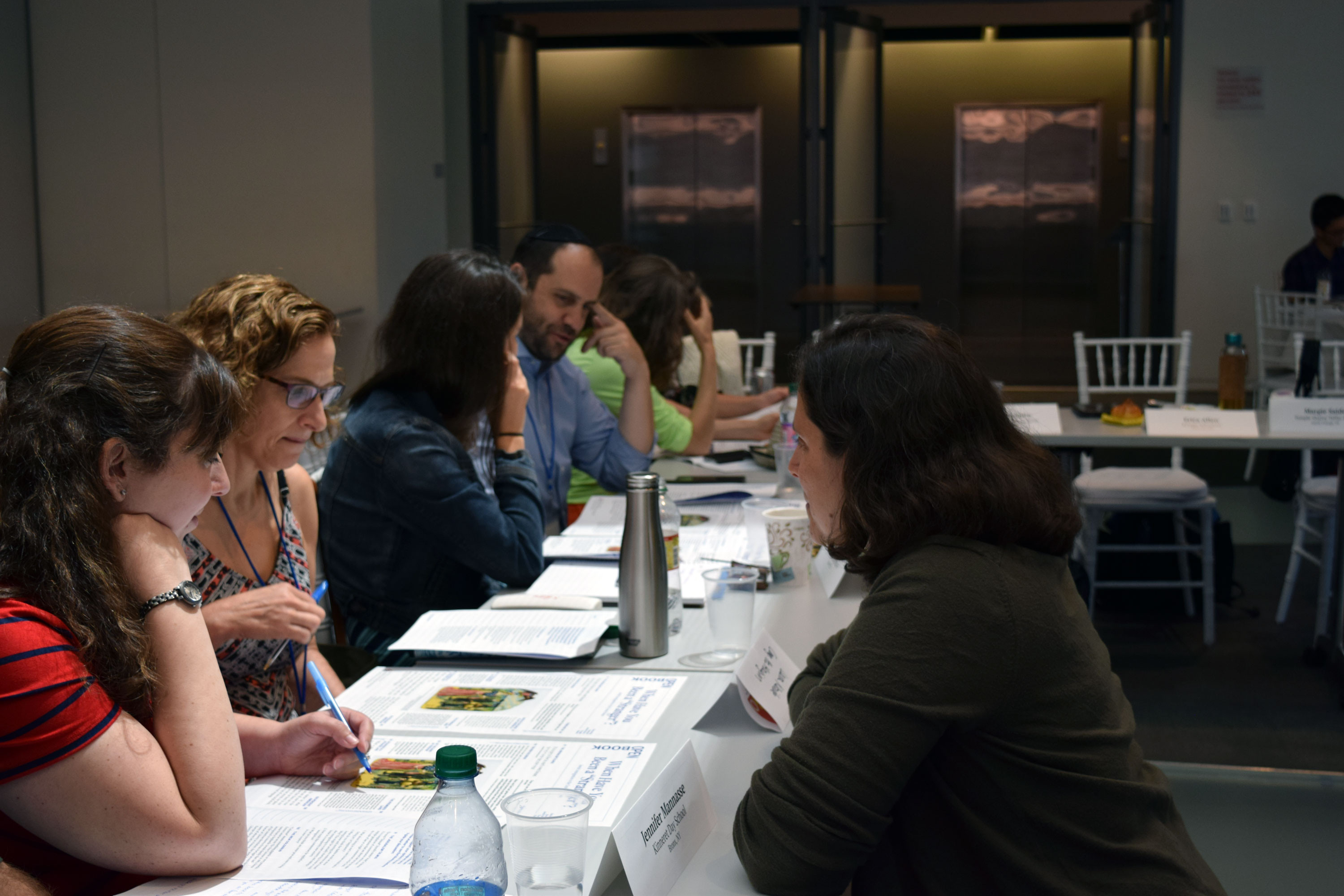
NEI attendees at the Summer 2019 Conference.
The NEI’s national focus is consistent with the museum’s mission to preserve, explore, and celebrate the history of Jews in America. In its teacher trainings, the museum’s goal is to represent a more complete and nuanced history that extends beyond common portrayals in typical places. This representation of Jewish life includes stories from diverse places in the U.S. as well as pointing out when Jewish history is interwoven with well-known American narratives.
One of the ways that the museum inspires pride in Jewish students—and curiosity in students of all backgrounds—is to reveal Jewish presence and participation in significant moments in American history. In turn, the NEI focuses on preparing educators to develop effective pedagogical approaches to histories that are at once important and complex.
The NEI is open to educators who teach Jewish and general history as well as those who teach language arts, social studies, art, theater, and music. Across different subject areas, the NEI seeks to empower teachers to help students develop their interpretive skills, social-emotional skills, and sense of pride and connection. In the process, the hope is that museum resources and collection items will be meaningfully, substantively introduced—enhancing students’ research skills and facilities with different sources, and enriching classroom conversations.
The summer 2019 NEI seminar on The Art and Science of Teaching Jewish History in America, for example, featured sessions covering a wide sweep of topics. These included how to present “current issues” to students; recognizing core themes—and challenges—in American Jewish history; and teaching around tensions in American Jewish history (with the Civil War as a case study subject). The seminar also featured an opportunity to interact with NMAJH’s online collection—familiarizing teachers with how they might use museum online resource in their classrooms—and Ronit Lusky’s workshop on “reading” objects. The object-learning workshop took as its central question: “How do we ‘read’ objects and construct meaning built around an approach of close observations, thoughtful interpretations, adventurous questioning, relationship-building, and rich conversations with peers?” As a way to begin answering this question, NMAJH offers an even more robust resource: its free, downloadable classroom curriculum.
OpenBook: Discovering American Jewish History Through Objects (available online at info.nmajh.org/openbook) is a national curriculum to teach American Jewish history through objects and hevruta, or partner learning. It was created to facilitate object-based teaching, thoughtful interpretation, and open dialogue. In addition to its use of hevruta learning, OpenBook exercises Jewish practices of interpretation, providing sample “Talmud” pages in which the visual immediately communicates the method—placing the central text or object in the center, with interpretive and contextual work around its perimeter. The OpenBook Talmud pages explore ways of knowing, teaching, and learning. At the 2019 NEI seminar, these ways coalesced around four important topics: “What Does Religious Liberty Look Like?”; “American Responses to the Holocaust”; “Jews and the Civil Rights Movement”; and “What is the Power of Music?”
The above special topics indicate the wingspan of the museum’s professional development activities and teacher resources.
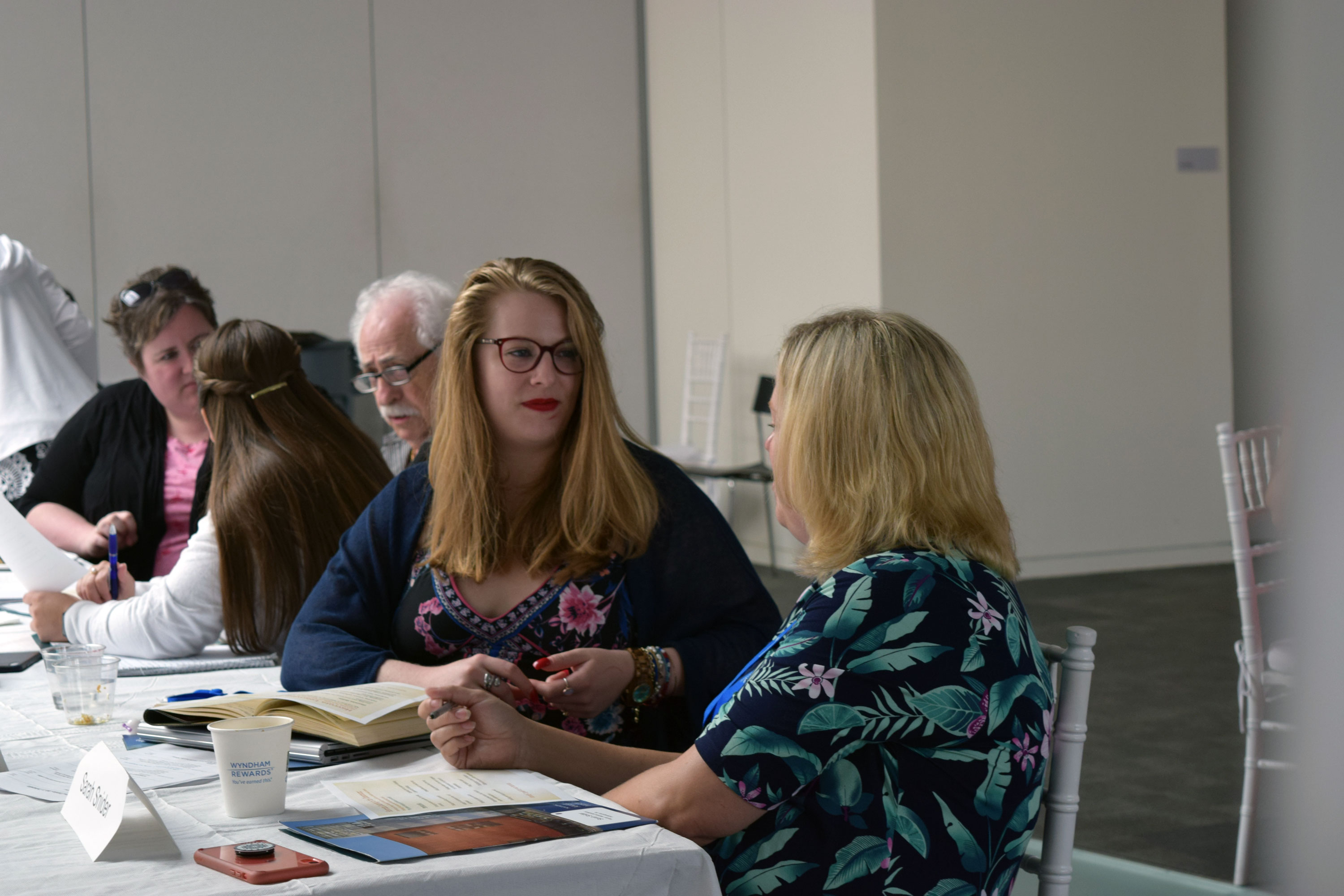
NEI attendees at the Summer 2019 Conference.
As part of the NEI’s professional development model, participating educators are almost immediately encouraged to begin thinking about how they can put object-learning to use as they fulfill their own curricular goals. That teachers will produce new content for their classrooms—and subsequently experiment with presenting these lessons and activities—is a goal and expectation of the NEI seminar. To advance educators’ efforts, NMAJH is dedicated to creating a community of NEI alumni so that participants continue to feel connected and can share information, knowledge, and wisdom. Educators are also asked to share the results of their teaching experiments and experiences with the museum over time, creating a cycle of trial and refinement that the museum learns from as well.
Teacher feedback is essential as NMAJH continues to raise the bar for its own contributions; soon, they will roll out three new lessons on colonial Jewry antisemitism, and American Zionism. These lessons will encourage students to consider the relevance of history to their own lives. They will give young people the opportunity to realize that they are not only students of the past, but also makers of history.
By Miriam Haier, for The Covenant Foundation.
Miriam is the Director of Content and Strategy at Pure+Applied, a multidisciplinary design studio in New York City
More to Consider
- Teaching American Jewish History as Talmud (eJewish Philanthropy, July 2019)
- The National Educators Institute
It is up to us to lend Lady Liberty our words—to translate her silence and the glow of her torch, to witness and articulate her stance “at our sea-washed, sunset gates.” In her 1883 poem “The New Colossus,” Emma Lazarus allows the “Mother of Exiles” to speak to the world:
“Give me your tired, your poor, / Your huddled masses yearning to breathe free.”
Through the poem, Lady Liberty promises a “world-wide welcome” and insists that it is uniquely American to accept “the homeless, the tempest-tost.” The poem’s vision of American inclusion clarifies the power and urgency of welcoming all who seek refuge here.
In 1883, Lazarus’s Lady Liberty—her torch of flame, of “imprisoned lightning”—faced the world and delivered a strong message of acceptance. But what might our Mother of Exiles say to us in 2019? In recent months, members of the American Jewish community—including Annie Polland, Executive Director of the American Jewish Historical Society (AJHS)—have spoken out to ensure that Lazarus’s words are not only remembered, but also interpreted faithfully. But even beyond defending history, AJHS is showing us how to learn from Lazarus’s vision—and preparing us to enter a vital American conversation in our own words.
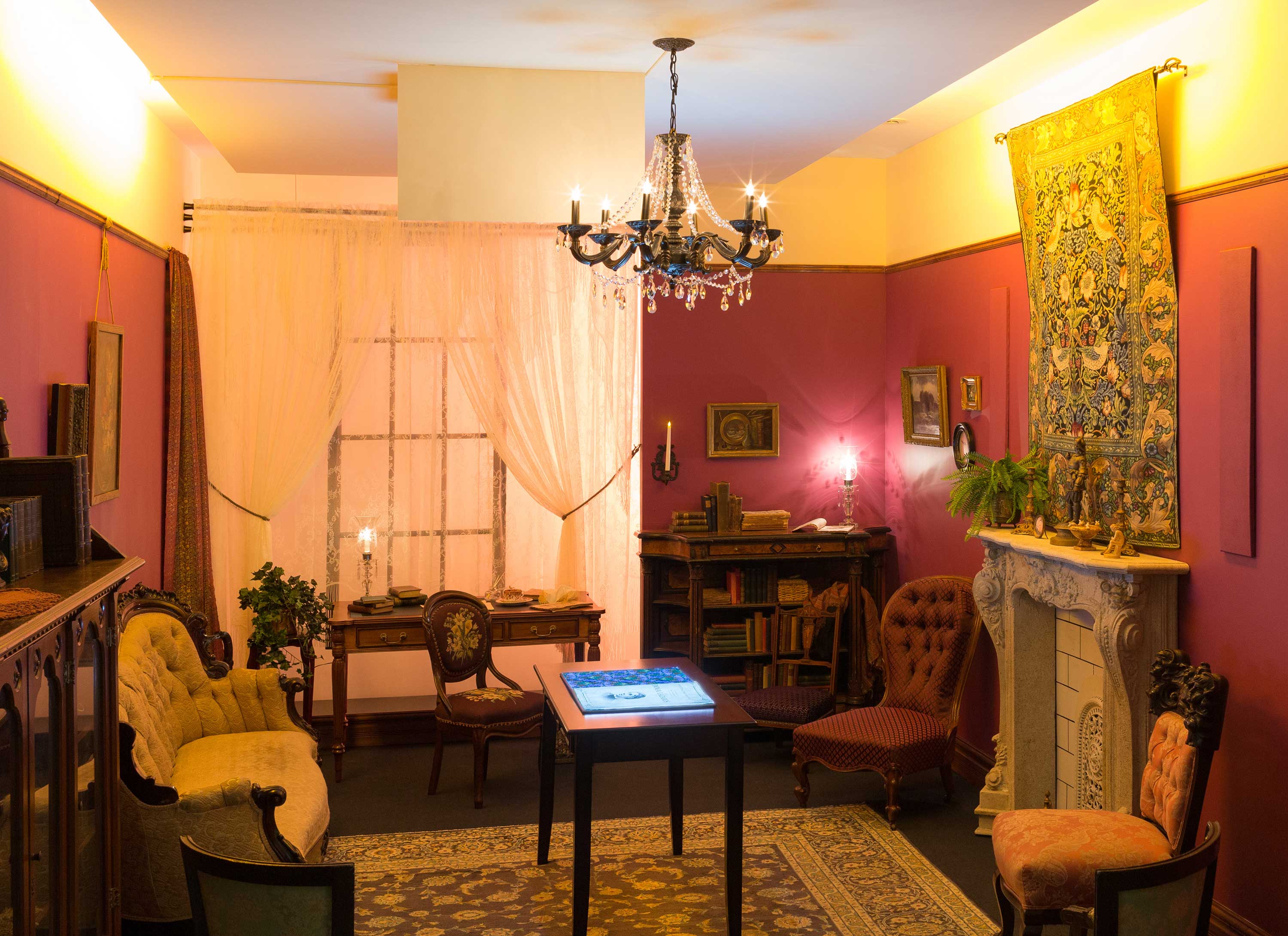
Emma Lazarus' recreated sitting room, part of the Emma Lazarus project exhibition. Photo by Shayna Marchese.
The Emma Lazarus Project of the American Jewish Historical Society—made possible in part by The Covenant Foundation—is a multifaceted initiative that illuminates Lazarus’s personal, political, and professional history. Here we meet the American Jewish writer who articulated Lady Liberty’s mission. In the case of the initiative’s exhibition component, From Sitting Room to Soap Box: Emma Lazarus, Union Square, and American Identity (opening at the Center for Jewish History in winter 2019), this meeting takes place in a re-creation of Lazarus’s own sitting room. The room also features a curated digital storybook that allows visitors to discover relevant images, words, photographs, and sources as they appear with each turn of the virtual page.
Being invited into Lazarus’s home means being invited into the environment where she read, studied, developed her approach, and wrote. What books were on her bookcase? What paintings graced her walls? What did “home” mean to a thinker who built such strong concepts of welcome and refuge?
Visitors should feel as though the poet herself has just been in the room—as though her words and ideas are fresh and demand consideration. With supplementary public programs, lesson plans and educational resources, and a nationwide poetry contest, AJHS is inviting diverse audiences to engage with Lazarus’s ideas in a number of ways. Participants in the Emma Lazarus Project will gain new insight into how she developed and expressed her perspective, exercised activism through her writing, and contributed to a national conversation that remains painfully relevant.
Emma Lazarus composed “The New Colossus” by request, as part of an effort to fundraise for the new Statue of Liberty. It was only in 1903—16 years after the poet’s death, in an act of tribute and memorial—that her words were engraved and installed in Lady Liberty’s pedestal. Now, Lazarus is best remembered for her poem. But in her own lifetime, she was known for a much wider array of literary production—including translations, fiction, essays, and editorials—and for her American Jewish identity.
Often referred to as “the Jewess” (in both descriptive and derogatory contexts), Lazarus was the most famous American Jewish writer of her time. She belonged to a Sephardic Jewish family, and she was outspoken in claiming her Jewish identity. Through her writing, Lazarus explored, shaped, and debated what it meant to be an American Jew, and what the broader community’s priorities, social obligations, and features should be. Her sense of her Jewish identity arose from arts and letters, from the literature and history that she studied. Lazarus entered public debates with other prominent Jewish intellectuals about what it meant to belong to the Jewish people. In her deeply informed—and sharply worded—published essays, she argued the very nature of Jewish life in America and beyond.
It is fitting, then, that Emma Lazarus’s collection (including a handwritten poetry manuscript that bears “The New Colossus” on its first page) resides in the archives of the American Jewish Historical Society—an organization that is itself engaged in the central questions of what it means to be Jewish in America.
AJHS was founded in 1892, which makes it the oldest ethnic, cultural archive in the country. Within its robust collection of more than 30 million documents and 50,000 books, photographs, artistic works, and artifacts are a multitude of stories of American Jewish people negotiating the various aspects of their identities. Granting access to these materials at the Center for Jewish History is about more than preserving the history of Jewish presence in the U.S. It is about providing the resources for what Executive Director Annie Polland calls a “strengthened, more vigorous identity” as American Jews in our own time.
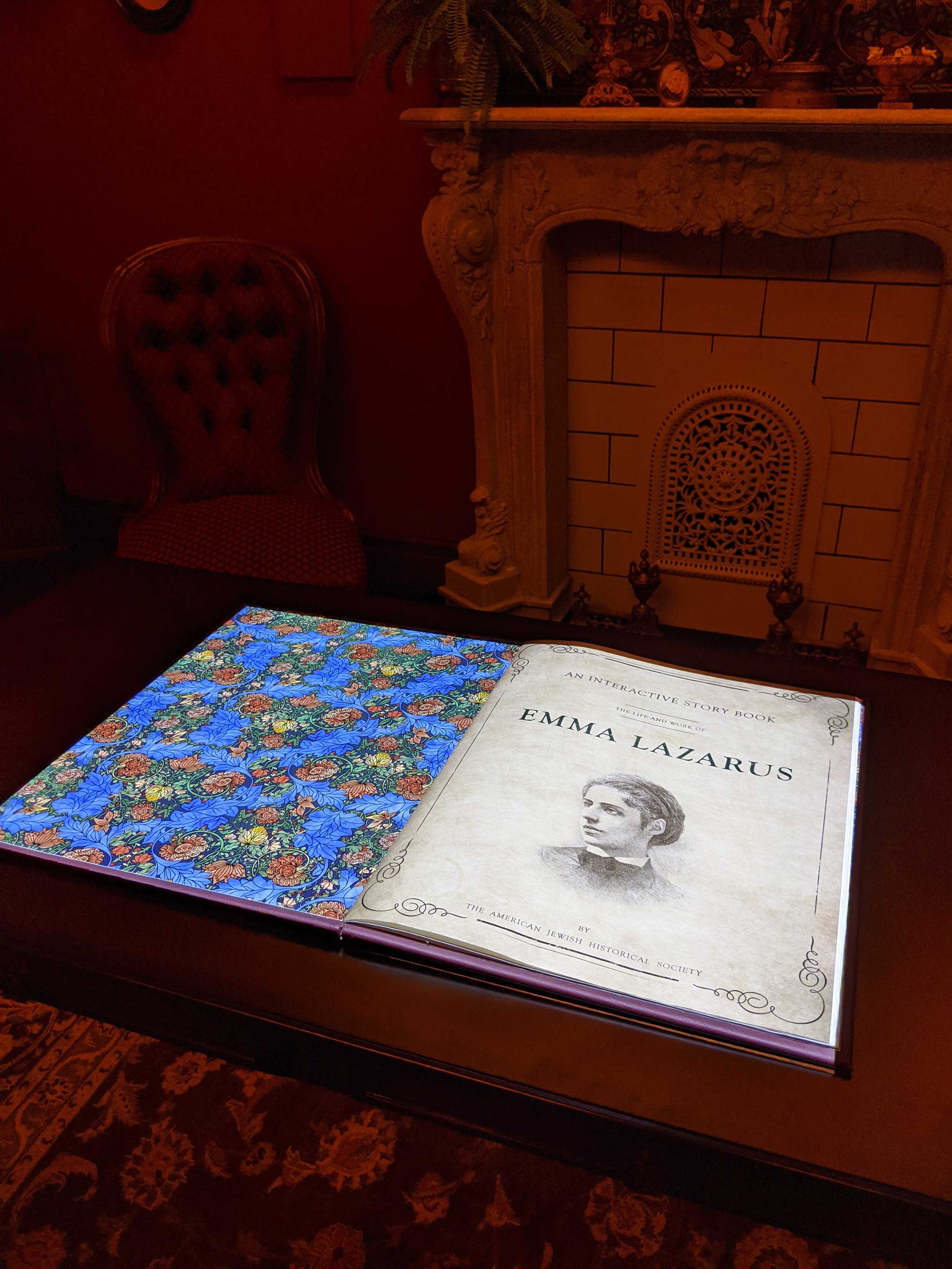
The interactive story book as part of the Emma Lazarus project sitting room display. Photo by Gloria Machnowski.
“Substance is important for Jewish identity,” Polland explains, “and communities need stories.” Through learning, interpreting, discussing, and rethinking the stories that comprise our rich history, American Jewish people can create a more inclusive, expansive, precise, and informed sense of identity. People of all backgrounds can look to the history reflected in AJHS’s archive to consider what it means to live at the intersection of multiple identities—in Lazarus’s case, to be Jewish, and Sephardic, and a woman, and American. Emma Lazarus felt a deep and abiding connection to the broader Jewish people—advocating for the well-being of Eastern European Jewish immigrants even though she did not share their language, religious practices, or socioeconomic challenges. Rather than shying away from controversy, she pointed her work toward difficult, complicated questions. For AJHS, there is remarkable potential in reviving Lazarus’s story in this particular moment in time.
Emma Lazarus brought her entire self—all aspects of her identity, her experience, her deeply held principles, and her skills—to the subjects that she cared about. Constructing the vision of America that gleams in “The New Colossus” required nothing less. Through the Emma Lazarus Project, AJHS hopes to inspire people to take courage from Lazarus’s example and put pen to paper, shaping with words that which they wish to see in the world.
The Project’s nationwide poetry contest represents one of its ultimate ambitions. (Some early and phenomenal student entrants from Hunter Elementary are featured in the introductory video online.) Using words to form and reform our world—to repair our world—is a project of Jewish spirit and American necessity. We have learned the importance of defining the enduring symbol, Lady Liberty herself. It is up to us to lend her our words. The contest’s prompt is deceptively simple: “If you could write a poem for the Statue of Liberty today, what would it say?” Beside this question, so many golden doors.
By Miriam R. Haier, for The Covenant Foundation.
Miriam is the Director of Content and Strategy at Pure+Applied, a multidisciplinary design studio in New York City
More to Consider
- The Emma Lazarus Project Poetry Contest
- Full text of "The New Colossus" (c/o the Poetry Foundation)
- Emma Lazarus via the Jewish Women's Archive
- Search the collections of all 5 Center partners
- What Emma Lazarus Can Teach Us About Our World Today (Sight Line, Volume 18, October 2018)
For four days in September, the august Manhattan reading room shared by the American Jewish Historical Society and the YIVO Institute for Jewish Research was populated by an unlikely collection of scholars. Among the group of ten: a dating coach/media personality intrigued by the Yiddish language. An accomplished producer interested in exploring his Holocaust survivor father’s complicated relationship with Judaism. A comedian/filmmaker known for mining dark subjects like eating disorders, rape and white privilege, who had recently found herself thirsting for Jewish historical knowledge.
They were participants in the Reboot Fellowship, a new endeavor funded by The Covenant Foundation and designed to forge meaningful connections between the Jewish community’s trove of museums, archives and other cultural treasures, and some of the most innovative culture creators, makers and creatives working today.
The fellowship was created by Reboot, an arts and culture non-profit formed in 2001 to reimagine Jewish culture, thought and traditions at the outset of the new millennium. Each year, a new cadre of Jewish (“and Jew-ish identifying”) creators, artists, entrepreneurs and activists is tapped to join the Reboot network, which now includes more than 600 people worldwide.
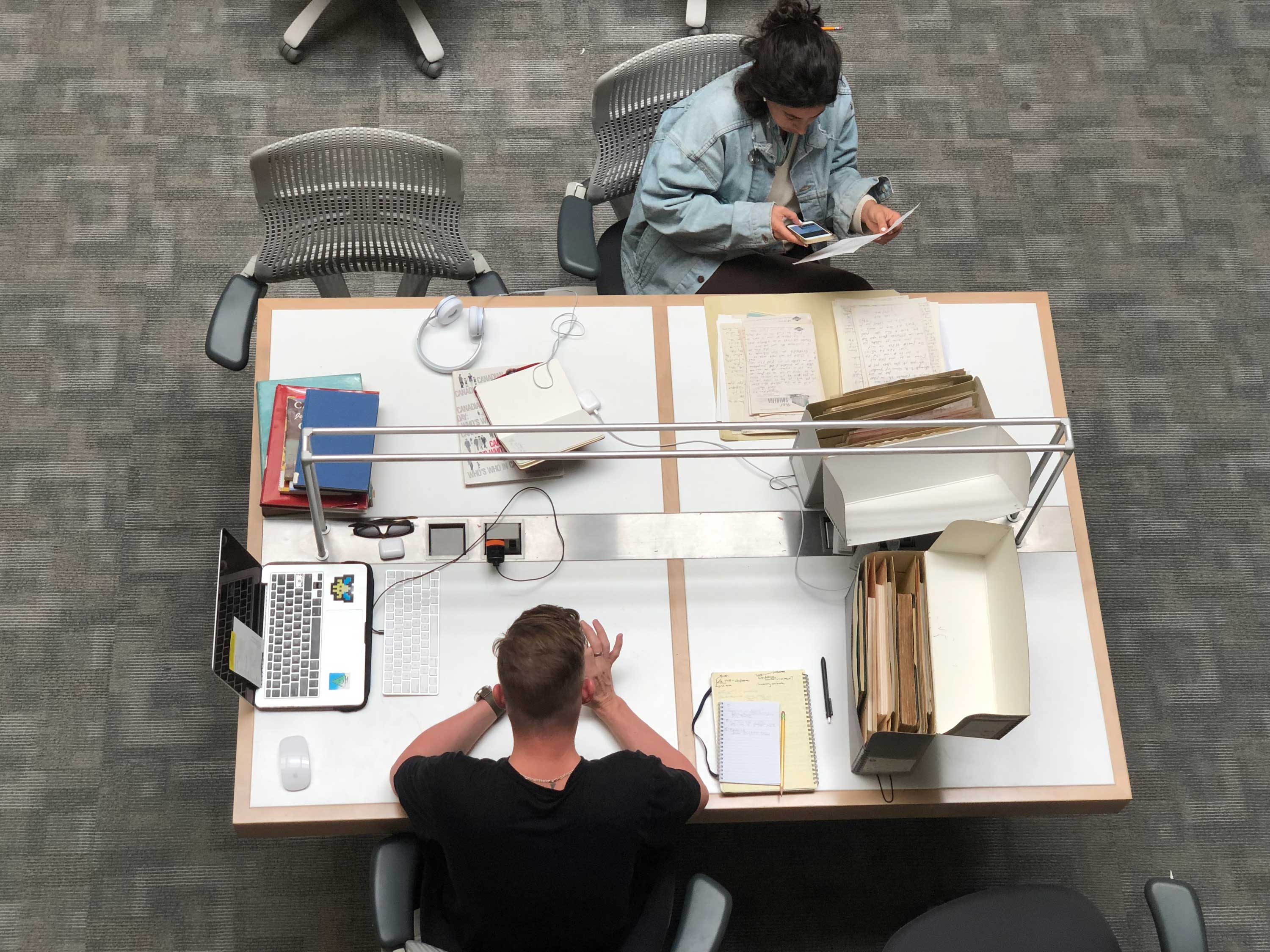
Reboot Fellows Adrian Salpeter and Jessie Kahnweiler review archival materials at the Center for Jewish History.
The Reboot Fellowship seeks to further the impact of the network by enabling a select group of “Rebooters” to have deep, immersive experiences with independently curated Jewish collections, working closely with historians and archivists to uncover hidden stories that could be the impetus for new projects. After these “deep dives,” fellows are charged with creating products, projects, exhibits or experiences that might engage new generations of Jews.
“The Reboot network is a network of makers, doers and storytellers who are looking for content, looking for inspiration,” said Francine Hermelin, Reboot’s chief network officer and the project director for the Covenant grant. “They’ll go anywhere to find it. At the same time, these institutions are sitting on a depth of Jewish knowledge, and they’re looking for new audiences and looking for new ways to connect with their audiences.”
“If we can set the stage to make it easy—and also rigorous, exciting, thrilling—for their search to be in a Jewish space, then these stories become part of their output and their work,” Hermelin continued. “That connection becomes like a ripe cocktail for something powerful and exciting and surprising to emerge.”
When Hermelin floated the idea to Dr. Annie Polland, executive director of the American Jewish Historical Society, her response was an enthusiastic, “Yes!”
“It definitely was part of what we’re trying to build here,” Polland said. “We’re trying to not only have people engage with collections and exhibitions but, to the extent that we can, bring them into the stacks, show them documents, help them piece things together. Here we’re taking artists and writers and filmmakers into the archives themselves, so they can make sense of the stories.”
Melissa Martens Yaverbaum, executive director of the Council of American Jewish Museums, said that for the 70-plus Jewish museums operating nationwide, the Reboot Fellowship represents a new model for public engagement.
“I think museums and archives have a tremendous amount to gain by working directly with creatives,” she said. “Even though it’s a more time-intensive investment, it genuinely connects them to the next generation. Museums often talk about the ‘next gen,’ but they think that if we build it they will come, and if we put it up they will come. To some extent that works, but to another extent the engagement needs to be more authentic.”
Historically, Yaverbaum said, interactions between creatives and museums have been characterized by an “end game” mentality, focused on final products like where and how an artist’s work might be exhibited. The Reboot Fellowship shifts that dynamic, allowing for deep, genuine relationships between cultural institutions and culture creators at every stage of the creative process.
“When the Rebooters showed up and we all started talking, between the scholars involved in the program and me and the Rebooters, we had so many ideas, we couldn’t even keep up with them,” Yaverbaum said. “It was like, ‘Oh, you should come speak at our conference!’ ‘I know a great collection you should be working with!’ It really pointed to the potential for a much stronger ecosystem of Jewish creativity and culture.”
The program was piloted in 2017 at the Yiddish Book Center. Participants “were sitting like school kids on the floor, looking up at [scholar, author and YIVO curator Eddy Portnoy], who is holding a gorgeous Yiddish book with illustrations,” Hermelin recalled. “They’re looking at him, wide-eyed, and I said, ‘This is kind of crazy.’ This should be happening more—connecting people who have the ability to create and manifest cultural experiences with experts who I know are just exploding with stories. We needed to literally carve out—this is very [Abraham Joshua] Heschel of me, but we needed to carve out a ‘palace in time.’ How do we carve out time? The fellowship became that.”
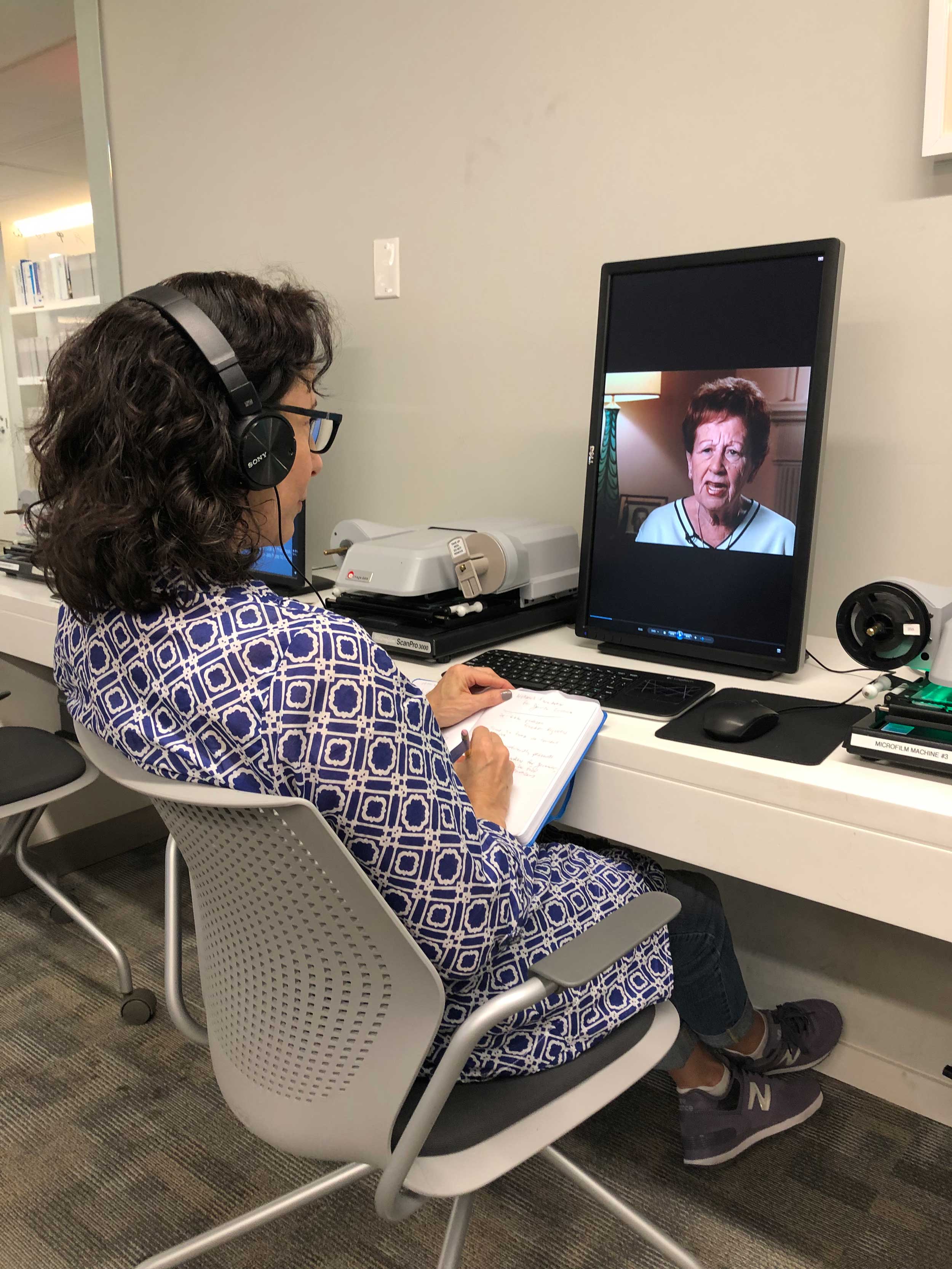
Reboot fellow and playwright/screenwriter, Lisa Kenner Grissom, watching first person oral histories of Jewish female partisans who survived the Holocaust.
After the successful pilot, Reboot partnered with the American Jewish Historical Society and YIVO to create the 2019 fellowship, with a grant from the Covenant Foundation. In an evaluation conducted after the four-day immersive learning experience, participants were unanimous in their desire to return to AJHS or YIVO for additional research and reported that they were more likely to consider incorporating Jewish historical research into their work.
The fellows are now at work on their projects, which include scripts, screenplays, a libretto, a social media campaign, a podcast and an installation.
“I’m looking forward to being surprised,” said Polland, of AJHS.
Following the four-day immersion, fellows were asked to complete “worksheets” describing the ideas and questions they were focused on going into the fellowship, how those ideas evolved, the current status of their projects, and their plans and needs for bringing those projects to life.
Damona Hoffman, the dating coach, wrote that she initially intended to explore historical love letters for an article or a segment of her podcast, Dates & Mates. But she ended up doing research for a second podcast, about the origin of names. “I was amazed by the number of personal diaries and essays with unbelievable stories that are here and unpublished/not available anywhere else,” she wrote.
Jessie Kahnweiler, known for her darkly comedic web series, intended to focus on old Jewish stories and “radical comedic personalities,” she wrote, with an eye toward developing a television show. Now she is exploring ways to use social media “to tell the stories of Jewish immigration and beyond,” vowing “to keep digging until I hit the golden idea.”
Adrian Salpeter, a film and theater producer, wrote that he embarked on the fellowship intent on “exploring the theme of luck through the lens of [his] father’s life” as a Holocaust survivor, Communist defector and Canadian immigrant. Salpeter found first-person accounts of other survivors and immigrants before and after World War II, but wrote that he still needed more time “to define a unique narrative that forms the backbone of whatever shape this research unearths: book, screenplay, stage play, etc.”
Some projects will come together more quickly than others, with the full fruits of the fellowship taking years to materialize—all the more reason to keep the program going, in Hermelin’s view.
“I would love to keep making these shidduchs, if you will, between creatives and Jewish institutions,” she said. “We are deeply committed to the creative process and to building a lifelong curiosity for Jewishness within culture creators. We know that culture takes time.”
More to Consider
- About Reboot
- An Audacious Roadmap: Reboot at 18 (eJewish Philanthropy article by CEO David Katznelson)
- About the American Jewish Historical Society
- CNN Interview with Dr. Annie Polland, executive director of the American Jewish Historical Society
- About YIVO
- “The Skinny,” About Bulemia, to Debut at Sundance (NYT article about Reboot Fellow Jessie Kahnweiler)
- “Shy East Lansing Girl Evolves into TV Dating Coach” (article about Reboot Fellow Damona Hoffman)