Late last month, Mayyim Hayyim, the Living Waters Community Mikveh and Paula Brody Educational Center in Newton, Massachusetts, premiered the film Open Waters: Mikveh for Everybody.
Remaining staunchly committed to the principal of petichut, or “openness,” the film highlights the steps this community mikveh has taken to ensure that people with disabilities, both cognitive and physical, have as much access to the mikveh as everyone else.
In a blog post written just before the premiere of the film, Carrie Bornstein, Executive Director of Mayyim Hayyim, wrote, “Accessibility to people with disabilities has been a …priority since the very beginning. Petichut – openness – is one of our guiding principles and it is part of everything we do: Nobody is closed out of our education programs, art gallery, or immersion into the mikveh itself.”
Since it opened its doors in 2004, in fact, Mayyim Hayyim has been in the business of saying yes. As a kosher mikveh, maintained under rabbinic supervision, many people participate in ritual immersions at Mayyim Hayyim for the traditional reasons as outlined in the Torah: marriage, conversion and niddah. But Mayyim Hayyim was expressly created so that the Jewish community might reclaim the ancient ritual of immersion, in a bright, open, and welcoming space. And for the past 11 years, with 14,000 recorded immersions and counting, Jews have been coming to Mayyim Hayyim to do just that, marking occasions as auspicious and varied as the completion of a course of chemotherapy, a milestone birthday, a gender re-assignment ceremony, the impending birth of a child, or a bar or bat mitzvah.
While Mayyim Hayyim has always had a chair lift, which makes the mikveh accessible to people with physical disabilities who are looking to mark transitional moments, educators are now also creating a discussion guide to accompany the film.
“The whole reason Mayyim Hayyim was created was access,” says Bornstein in the film, which was created in partnership with the Ruderman Family Foundation. “At Mayyim Hayyim we name the fact that full inclusion for people with disabilities is one of our values. Placing that on our website, making that a part of who we say we are, explicitly welcomes people in and says ‘we are here for you’. This is for all of us, period. If we say that we’re open to everyone, then we’re open to everyone.”
Each person who enters through the doors of this mikveh is put at the center of his or her experience. There is no prescribed method for any given ceremony; in fact, in an attempt to emphasize the degree to which Mayyim Hayyim mikveh guides practice empathy first, Bornstein demonstrated a mirroring game, where the woman next to her attempted to intuit where Bornstein would move her hands, as if the hands were in front of a mirror, two sets moving in the same direction, fluidly. “It’s about how we listen to people,” Bornstein explains. “When someone comes to the mikveh, it’s the mikveh guide’s job to think, does she need me? Or should I get out of the way? How can we mold ourselves around this person?”
As an example of this kind of tailored attention, Anita Diamant, author and Founding President of Mayyim Hayyim, shares a story. “A bride recently came to Mayyim Hayyim with her non-Jewish groom, just before their wedding,” she begins. “He witnessed her immersion, and was touched by the ceremony. Then, the groom asked if he, too, could immerse,” Diamant pauses. The rule, she goes on to explain, is that you must be Jewish to immerse in the ritual bath.
“However, instead of saying no, the mikveh guide went and drew some water from the mikveh, and helped the groom perform a hand-washing ceremony,” Diamant continues. “In this way, the groom felt respected and heard, and I think that helped him feel okay about being a part of the Jewish community.”
In the hand washing ceremony, the participant reads, “I stand here today to acknowledge and affirm this moment in my life journey.” On the most basic level, this ritual allows anyone—Jew or non-Jew—to have a meaningful experience, to mark a moment, to be present and connect.
And there are hundreds of other stories, just like this one. Bornstein shared that just days before this interview, she spent time with the mother of a nonverbal child with cognitive disabilities, who had reached bar mitzvah age. As part of a support group for Jewish mothers of children with disabilities, this parent shared with her group her struggles to figure out a way to mark her son’s bar mitzvah, given his disabilities. “She wondered, ‘how do I give him a Jewish identity and sense of Jewish World and values; what does that look like for him?’” Bornstein recalled. She then went on to share that someone in the support group mentioned that they had recently taken their daughter to Mayyim Hayyim before her bat mitzvah, and it was incredibly meaningful. With that information, the mother of the young boy realized that for her son, who experiences the world through his senses, immersion in a mikveh would be a perfect way to mark this momentous occasion.
The details of the ceremony are up to the family; the family is now considering whom they will invite, and how to personalize the ceremony and how the educational resources at Mayyim Hayyim can help. Mayyim Hayyim has been training educators for years, and, with grants from the Covenant Foundation, has established national training resources as well, now, they have also partnered with Gateways to create a picture guide of the seven guiding principles which inform all that Mayyim Hayyim does, allowing this child to comprehend of the kavanot in a way that makes sense for him.
“I can’t think of a place where there are more barriers,” Bornstein says, referring to the fact that there are so many aspects of the mikveh experience that could potentially make a person feel shut out—from the requirement that one remove all garments before immersion to the act of fully immersing in water to the connotations about mikveh, ideas of who is a Jew, any disabilities that might prevent immersion, and on and on.
But at Mayyim Hayyim, those who have experienced a Judaic culture of “no,” suddenly find themselves within the land of “yes.” The bottom line is that the experience is meant to be a positive one, not coercive, not negative.
“If we can find a way to do this here, to include everyone, then we should be able to figure this out in our other Jewish organizations and communities. We are hoping that this initiative can be inspirational and make people realize, ‘we can make it work,” Bornstein says.
“We are such a head and language-based religion,” Diamant adds, “but this is not that. Immersing in water is something totally elemental. You put your body in, and it feels good. This is powerful for everybody.”
Interestingly however, despite the power of a ritual immersion, many of Mayyim Hayyim’s supporters have never entered the mikveh. Thanks to hundreds of educational programs run throughout the year, and a series of popular local events, Mayyim Hayyim has managed to provide an entry point for the community beyond just that of its “main” business.
“Our events are fun,” Diamant promises. “There’s no seated dinner, there’s lots of upbeat music, and the tickets aren’t expensive, which lowers the barrier to entry and allows genuine community involvement.” At the recent reception for Open Waters, held on May 18th of this year, Mayyim Hayyim featured speaker Matan Koch, a lawyer and speaker on Universal Inclusion, paid tribute to the 10th anniversary of the publication of Blessings for the Journey: A Jewish Healing Guide for Women with Cancer, featured singer-songwriter Noam Katz and musical guest Julie Silver, and debuted Open Waters: Mikveh for Everybody, Mayyim Hayyim’s original film.
Over 500 people showed up that night, including friends of the honorees, rabbis, clergy, Jewish professionals and Mayyim Hayyim fans, proving that in addition to the mikveh, the events are a portal, too.
Another portal are the educational curricula that Mayyim Hayyim produces. Their most popular is the Beneath the Surface, a three-session program that uses activities to strengthen the mother-daughter relationship as they prepare for a bat mitzvah. Now, communities across the country have begun to use the curriculum. “We’ve found that people are very open to programs and ceremonies that occur at times of transition,” Bornstein says.
Mayyim Hayyim can help other communities develop programs like Beneath the Surface, and has a number of concrete resources they can provide; some of their curricula require a mikveh, but some do not. Beneath the Surface, for example, can be done in synagogues and Jewish Community Centers; the Open Waters discussion guide may be used in camps, or day school and afternoon school settings.
“This is a way for those who aren’t here, in Boston, to bring Mayyim Hayyim to their community,” Bornstein says. The Mayyim Hayyim education center has created a variety of programs around the meaning of the Jewish ritual of mikveh, geared toward students ages 10 and up. They lead over 100 education programs a year, and can tailor the programs for a variety of ages and intentions.
In fact, just before this interview, Mayyim Hayyim hosted a group of 6th grade boys from a local synagogue, who spent a long while in the basement of the mikveh, inspecting the plumbing system. “What’s amazing is that the whole experience around the mikveh has been normalized for kids,” Diamant says. “Now they know, in 6th grade, they’ll visit the mikveh. It’s not a foreign concept to them.”
And should those same kids choose to immerse in the mikveh come time for their bar or bat mitzvah, their kavanah, their intention, is likely to be informed and focused.
In the immersion ceremony literature for such a moment, before the second immersion in the ceremony, b’nai mitzvah read:
“May my decisions and behaviors help make the world a better place. I commit myself to contributing my time, my talents and the best of myself to doing Tikkun Olam, Repair of the World.”
While it’s probably safe to assume that most 12-year-olds are busy doing, doing, doing, moving from school to extracurriculars to socializing and homework, there’s something to be said for taking a brief moment to pause and give a bar or bat mitzvah child the space to reflect on what this rite of passage actually means. Away from the crowds at synagogue and the thumping beats of the DJ at their bar mitzvah party, in the quiet, light space of the mikveh and with their parents, a child just might be transformed into an adult, or at the very least, into a young person cognizant of a sacred tradition that’s theirs for the taking, ready to be molded in whichever way makes sense to them, at this very moment.
Andres Spokoiny, President and CEO of the Jewish Funders Network, has a few thoughts about the concept of Portals in the 21stCentury. “Here’s the thing,” he begins. “When we plan programs for millenials—or “digital natives” as he refers to them--and not only for young people, but for everyone today, who are influenced by the values of the millennial generation—we need to account for the deep change that’s occurred in the human consciousness.”
That deep change, he continues, is that we no longer subscribe to an ideology, or choose to be lifelong members of an organization in the way that we once did. “Today,” Spokoiny continues, “people build their own identity, rather than having it handed to them, ready-made, by a synagogue, church or political party.”
Spokoiny goes on to describe a metaphor about baby strollers, which further explains this important idea. “When I was growing up,” he says, “babies were in strollers facing the mother. Today, we see babies facing outwards, which is an interesting metaphor. In the past, we interacted with the world through the mediation of somebody—a parent, a religious leader, a school or a synagogue or federation. But that is not the case anymore. Now, for the most part—people build their own paths and identities with bits and pieces.”
Spokoiny explains that with this collapse of communal structures that were based on total belonging and identification, there comes a need for a new mode of engagement. New portals that are based not on group-think, but rather, rooted in a new sense of collectivity that allows each individual to create his or her own journey.
And his ideas are backed by data. Spokoiny offers a statistic: Only 14% of donors today cite a sense of obligation for their giving. “If you build your community based on the idea that people will be blindly loyal, you’re going to be in trouble.” Rather, our job is to open as many points of entry to Jewish life, as possible, he says.
“Portals are much more effective,” he urges, “when they are related to events in peoples’ lifecycles, and when they touch upon needs that people have in their lives. And the more portals we open, the more we can capture those digital natives and others who are not prepared to belong to any one “thing” in a life-long way.”
“We’re really dealing with ‘Human 2.0,’” he says. “People today are hyper-connected and hyper-empowered. Once we recognize this difference and plan for it, we can begin to build more effective points of entry for everyone.”
Rabbi Philip Warmflash’s Torah is a wide-open book, the dark letters and white spaces close to his heart, and always guiding his hands. Whether at a meeting of Jewish educators drawn from across the movements, of synagogue officers from around the city of Philadelphia, or lay people planning an outreach event for young families, he begins communal conversations by leading study of Jewish texts. A masterful teacher, he motivates Jews at all levels of learning to grapple with the ancient words and find relevance.
As the founder and executive director of Jewish Learning Venture, Warmflash cares deeply about the Jewish future, about “making Judaism feel possible for people for whom it wasn’t quite on their radar.” At JLV, his work is multi-faceted, helping young families embrace Jewish life and bolstering the institutions that serve the community. They design and implement programs, share resources, facilitate the wider community’s sharing of resources, and promote and guide systemic change.
“Most organizations either do engagement, education, or congregational change. What we are doing is looking systematically at all three - how we can better reach and engage families raising Jewish children, and how we can help organizations to meet the needs of these families, whether on their own or in a collaborative fashion,” he says.
Indeed, the creative and entrepreneurial influence of Rabbi Warmflash and JLV in the greater Philadelphia area is pervasive: with young mothers gathering for a series of play dates through jkidphilly.com that result in Shabbat dinners in their homes, in workshops for synagogues that want to do better in terms of inclusion, in newly-merged and strengthened afternoon Hebrew School programs, in the One Book One Jewish Community series of events (the largest Jewish community-wide literacy event of it’s kind in the country), in forums for synagogue lay and professional leaders to share their best practices, and in many other ongoing programs.
Rabbi Warmflash’s work over the last two decades has varied in terms of new initiatives and structures, but serious engagement with Jewish life has been at the core. He has had, essentially, one job that has expanded and in which he has flourished, as the agencies he has headed have been renamed and reorganized. Jewish Learning Venture was formed through the merger of the Auerbach Central Agency for Jewish Education and Jewish Outreach Partnership, where he was also the founding executive director. In 2007, he received a Covenant Award for his work with JOP.
“The foundation of where my work comes from and where my passion comes from has remained the same,” he says.
“When the director of the Auerbach Agency left and I applied for the position, one of the things that seemed obvious was that both Jewish Outreach Partnership and ACAJE were involved in similar work, and it would be more beneficial to the community if the two agencies considered merging. That was in 2009. The merger that we were able to do was kind of a model for what we hope to do in other area of the community.”
In talking about organizational change, Rabbi Warmflash discusses the work of Allison Fine, author of “Matterness” and other books. “Matterness is the intersection of people and organizations when they come together in a positive and mutually beneficial way and a greater whole is formed. Among other criteria, Fine emphasizes the importance of listening and not just talking,” he says. In fact, he notes that Fine was once a synagogue president, and her advice, even as it is expressed in secular terms, echoes the challenges of Jewish organizational life.
Rabbi Warmflash quotes a fortysomething involved in one of their synagogue projects, who told him at a meeting, “I always thought about how we need to attract new people. Until tonight I never thought about how our congregation also needs to change!” That individual realized, through conversations with JLV, that they needed to make their synagogue more welcoming to a wide range of people in the community.
When asked about residual resistance to change, he replies, “That’s why the work is hard.”
“Part of the challenge here is a readiness for change, to show that it’s needed. We have a button that says, ‘Because we’ve always done it that way,’ with a slash through it.”
“Change is something we’re happy about when someone else is doing it,” he jokes.
“What our work is about is not change for change’s sake,” he continues, “but as a way of encouraging people inside and outside of our institutions, to find the holiness and meaning and personal connection in Judaism.”
Now, he and his colleagues at JLV start every meeting with what he calls a limmud, a short piece of text from a Jewish source -- that might be familiar or not to the group – along with questions about what the text is saying. He explains, “I want people to see that Jewish texts speak to them, that they can grapple with Jewish texts and make it part of their vocabulary. Some volunteers have previously thought that having a connection to Jewish texts was only for the rabbis.” He adds, “I love the challenge of finding the right text for a particular group.”
One quote that they use a lot is from the late Rav Abraham Isaac Kook, the first Ashkenazi chief rabbi of Palestine, “The old will be renewed and the new will be sanctified.” That notion of honoring tradition and embracing the new is essential to their work.
“I work to get people to an “Aha” moment, to lead people to rethinking ideas and taking new action. That’s really at the core of it -- and to support them in our communal journey. Text is one of the key strategies for getting to Aha!”
The distinctive JLV logo is an orange v-shape; the left half has right angles, the right is all curves. It might be a Hebrew letter, a flame, a calligraphic flourish, an L on its side or an abstract bird in flight. The bold image reflects the agency’s dynamic work and its full embrace of many perspectives, many ways to experience Jewish learning and Jewish involvement. JLV was twice selected by Slingshot as one of the most innovative Jewish organizations in North America.
One project that Rabbi Warmflash is particularly enthusiastic about is Shinui: The Network for Innovation in Part-Time Jewish Education, bringing together six community agencies from around the country to share strategies, and to develop opportunities to learn and apply best practices in Part-Time Jewish Education from one community to the other. (Shinui means change.) They recognize the strength in collaborating, guided by the spirit of generosity. That spirit also guided Jewish Learning Venture’s initiative, Lev: Getting to the Heart of Jewish Education, through which the agency has facilitated local congregations in the process of choosing and implementing a new model of congregational education.
These days at his own synagogue, Rabbi Warmflash prefers the role of congregant. He is also a consultant for Shevet: Consortium for the Jewish Family (formerly the Whizin Institute).
“The change that I hope to inspire is a change in the way people think and connect with Judaism, wherever they are on their Jewish journey. The question is this: How do we increase accessibility to new Jewish ideas, and how do we open the portals wider?”
These days, you don’t have to look far to find a mindfulness meditation class or a weekend retreat offering spiritual guidance, organic food, and long rural hikes. Authors make millions writing books about how to think your way toward happiness, podcast hosts espouse the virtues of silence, and our nursery schools teach yoga to toddlers.
These are great developments. Study after study shows that slowing down, breathing deep, and clearing the mind has myriad benefits for our health and well-being.
And yet, for as long as there have been teenagers, there has been tension, anxiety, and isolation--the opposite of inner peace. The news is filled with stories about teenagers arriving on university campuses distressingly unprepared for the pressures of college life. Issues of gender and sexuality, now more public than ever before, remain uncharted territory in most classrooms and homes.
How can Judaism help? How can we reach the post-Bar Mitzvah pre-college cohort, in such a crucial developmental moment, but so often closed to more conventional modes of engagement? What is the gateway through which we can draw teens into a safe space, keep them there as they find their footing, and send them out into the world more confident, grounded, happy and free?
“I think we have to first ask ourselves: What helps us connect to that still small voice within us—kol dmama daka?” says Deborah Meyer, Co-Founder and Executive Director of Moving Traditions, a Jenkinstown, Pennsylvania-based organization that works to help Jewish teens explore and connect to their identity and society, through the nationally recognized Rosh Hodesh: It's a Girl Thing! and Shevet Achim: The Brotherhood programs. “Is it a question of setting, or is it the focus of the setting? What helps us feel prepared and receptive, what helps us share ourselves?”
Sharing is key to the success of both of Moving Tradition’s cornerstone programs. In Rosh Hodesh: It’s a Girl Thing!, over the course of a 5-year curricular cycle, in monthly meeting groups for girls ages 11-18, participants are given space to meet and “articulate their deepest concerns, consider the impact of gender on their daily lives, have fun, and be ‘real’ with their peers.” The lesson plans touch on a bunch of different modalities—cognitive, emotional, physical and spiritual. “As girls come up on adolescence,” Meyer explains, “they also come up against a wall of anxiety about what it means to be female. In the Rosh Hodeshcurriculum, we draw on Judaism and Jewish life to try and help our kids stay healthy and whole.”
And while they differ for the girls and the boys, ultimately, the curricula for both groups are meant as “building blocks” for the group leaders upon which they can erect a structure that’s right for their particular cohort. “[The mentors] are the chefs for a group whose palates they know well,” Meyer says.
Meyer and her colleagues understand that so much rides on selecting a mentor who connects with his or her mentees. Such a mentor will aid in setting the right tone and intention within any group, and help create an environment of trust where there’s no fear of ridicule.
“Our mentors have an understanding of who teens are and what the issues are in their lives; they have a deep respect for the teen experience; in their groups, they expect the teens to have the capability to have conversations with depth, and they give them the opportunity to puzzle things out. They don’t patronize or spoon feed them,” Meyer says as she explains the mentor training process.
Initially funded by a Covenant Foundation grant in 2002, Moving Traditions now trains mentors at several conferences held across the country each year (this year, there’s one in Chicago in July, LA in August and Philly in October).
Moving Traditions also employs 6 regional directors who work with the Jewish education community partners in their areas to share learning about the Moving Traditions model and help local Jewish educators more effectively relate to teens and replicate the Moving Traditions programs.
One of the main things the regional directors look for when identifying potential partner institutions is a place where there are enough kids to help position the programs within those communities effectively.
“Ours is not a classroom program,” Meyer explains. “Our preferred way of situating our program is on Sunday evenings, as an opt-in, not a required thing. It’s best to have plus or minus 10 kids; a minyan is a good amount.”
For the group to really connect and have fun and useful experiences, it’s suggested that they meet once a month. That’s enough time in which to form bonds, but not so much of a requirement that the schedule further weighs on teens with an already-heavy extracurricular life. Groups generally meet for two hours, and the bar is very low. “We like Sunday evenings,” Meyer says, “because it allows the kids to sleep late, and come to the group in their sweatpants. For the girls, this can mean ponytails and no makeup. We want them to feel as comfortable as possible.”
Many Rosh Hodesh groups ultimately meet for multiple years, and the curriculum is designed so that once the girls begin to understand how the group is structured, they can take on the responsibility of forming their own groups in college and even graduate school.
“Something I’m continually struck by,” Meyer shares, “is how touched the girls are to be in community together and how much they value this time. They tell us, ‘this is the place I can really be myself, this group helped me get through high school, and I can count on my friends in this community to be there for me.’ And to provide this kind of touchstone, to extend that support from the Jewish community to our teenage girls and boys, means we are more likely to see them remain connected, and to see them grow into healthy young women and men.”
And what about the young men? “Many Jews boys feel very positively about being Jewish,” Meyer says, citing research that Moving Traditions has done to this end. “They are proud of having had a Bar Mitzvah, but they don’t like Jewish programming, necessarily. There’s a huge drop off of boys involved in Jewish programming after their Bar Mitzvah, around age 14.”
In fact, statistics show that fewer that 20% of boys are connected to the Jewish community in any significant way. “We understand that for many boys, they reject and resent what they see as preachy, dogmatic, parent-adult centered programming,” Meyer says. “But if you begin to think about what’s going on with them, and work to encourage them that there is a place for them in the Jewish community, you can address a “problem” that otherwise will continue in their lives.”
So lets say you get a group of 15-year-old boys assembled. It’s a Sunday evening, they shuffle into the room. What happens? Where’s the magic? How do you keep them coming back?
“It’s not about teaching kids Judaism,” Meyer says. “It’s about having conversations about meaning. What it means to be a human being and what it means to be an adult. What it means to live within a community. What it means to invest in ourselves and the wider world. This is what kids want. These group sessions are all about self-discovery, asking fundamental questions about identity and society.” And it all comes back to having the right mentor in place.
“Mentors need to be excited about their work, and understand that the conversation in these groups will not be linear and there will be some noise; they should have a sense of play,” Meyer says, citing some of the critical ingredients for a successful mentor-mentee relationship. To this end, one of the things Meyer and her colleagues have found is that group leaders remain in touch with their mentees five years later.
“When you look at research about boys’ development,” she explains, “and about how they learn, you understand that it’s critical for them to have a mentor.” Meyer also says that for many boys, if you approach them and present yourself to them authentically, they will open up and connect to you. But if you’re not authentic, they will shut down, unwilling to say the things one might want them to say, or to repeat things by rote.
“As a mentor, you have to have a sense of boundaries,” she says. “To understand, ‘I’m the adult, they’re the kids, and kids are going to say inappropriate things and try to push my emotional buttons and really, they’re just trying to understand their limits and they’re testing me.’ A successful mentor has to be mature enough to understand where these kids are coming from.”
And it seems that they do. According to data collected by the organization, in the 2014-2015 academic year, Moving Traditions partnered with over 100 Jewish institutions and reached more than 1300 boys with the Shevet Achim program. This is more than twice number of post-Bar Mitzvah aged boys who were reached when the program first launched in 2011.
Given the success of Rosh Hodesh and Shevet Achim, it is heartening to know that Meyer is looking forward, and thinking about other ways in which Moving Traditions can create targeted Jewish programming to address the myriad issues teens face.
“Right now, we’re piloting some programming that will aim to help girls of all faiths fight sexualization,” Meyer shares. “Seeing yourself as a sex object takes away agency, it’s disempowering, and yet, kids today are under tremendous pressure to see the world in a sexualized way, in large part thanks to targeted advertising and online pornography. We’re looking to address issues of sexuality, consent, intimacy and relationships with kids in high school who are already experiencing or at least thinking about these things, and prepare them to have a healthy sexual ethic.” She adds that in their curricular development, Moving Traditions staff and educators are also thinking a lot about trans and gender queer kids, and how they can meet the needs of those cohorts, beyond single-sex programs, and what Jewish educators need to be thinking about in those areas.
“Judaism has excellent content to draw from on these topics,” she adds.
In fact, Meyer notes, not incidentally, the basic building blocks of Judaism give us so many opportunities to find moments of intention, and we don’t have to wait until the teen years to implement them with our kids, either. As parents, in the home, we can easily find ways to make space to listen to our kids.
“It doesn’t have to start with teens,” Meyer urges. “The great thing about Judaism is that it gives us ready-made moments; as we leave the work week and move into Shabbat—you can find still small moments to connect to your kids in safe and loving way.”
“Kol d’mama daka,” she repeats, once again invoking the biblical quote. “It’s where it all starts.”
“What are we in this business to accomplish?”
So posits Mark Sokoll, President and CEO of the Jewish Community Centers of Greater Boston. Sokoll, along with his colleagues at the JCC, knows that this is the question one must ask when trying to affect change. And about 6 or 7 years ago, when Sokoll and his team of key professionals and volunteers engaged in strategic planning to re-envision the JCC of Greater Boston, it was this question that consultants pressed them to answer. By looking at a case study and attempting to draw out lessons learned from listening to constituencies, together they created what Sokoll calls “a contemporary vision,” and a plan to execute that vision, with a central focus on families with children.
“We thought,” Mark continues, “…if we, as a Jewish community, spent the last 100 years trying to attract people for a whole variety of reasons, to get Jewish immigrants acculturated, to help the grandchildren of those immigrants to embrace their Jewish identity; if we’ve spent the last 100 years getting people into the building, we should now spend the next 100 years taking our building out to the people.”
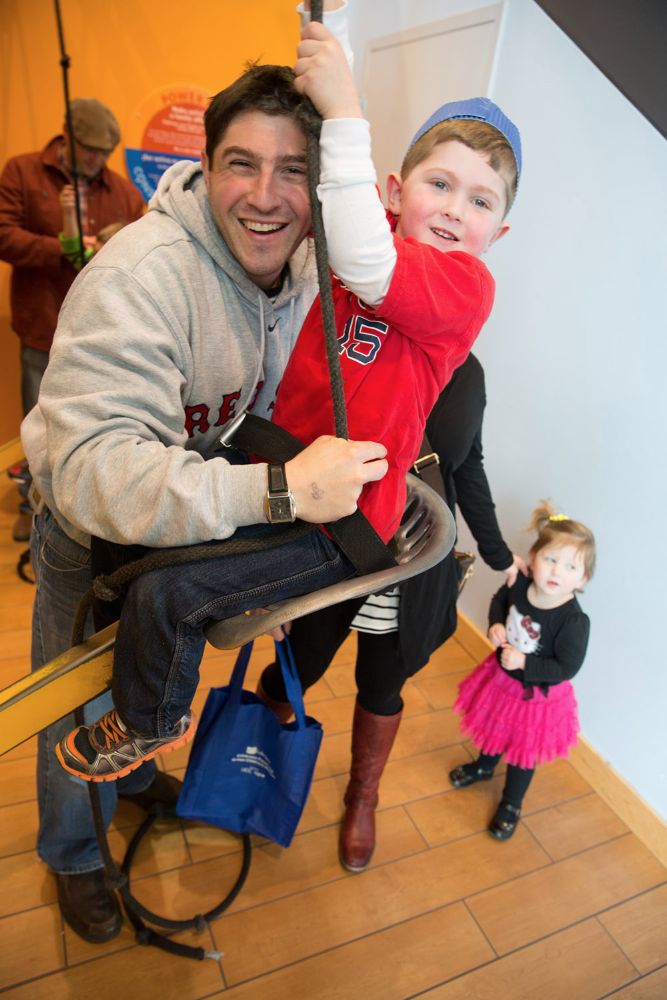
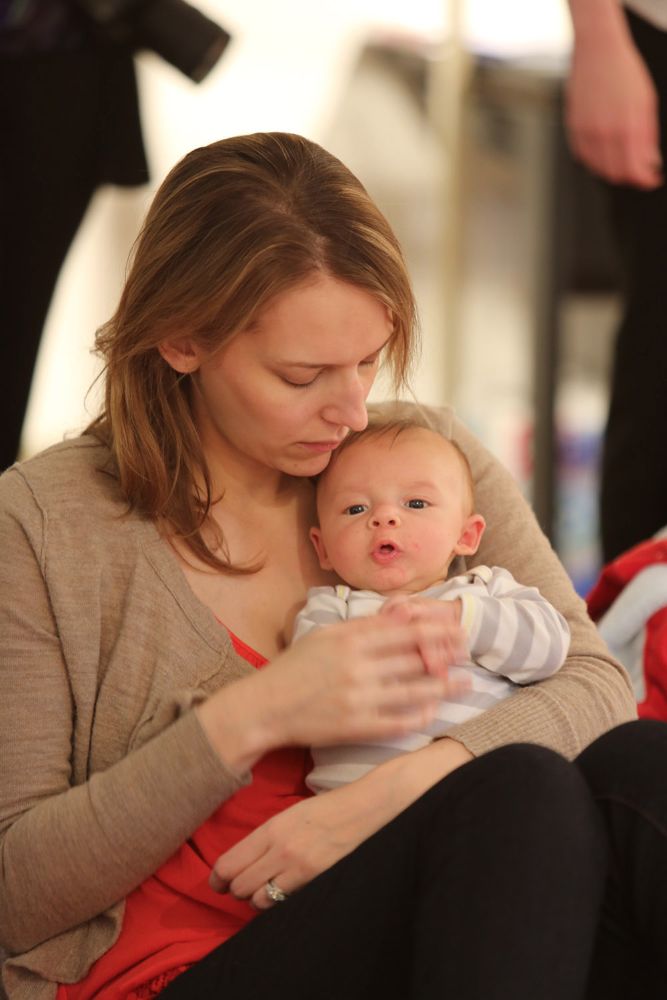
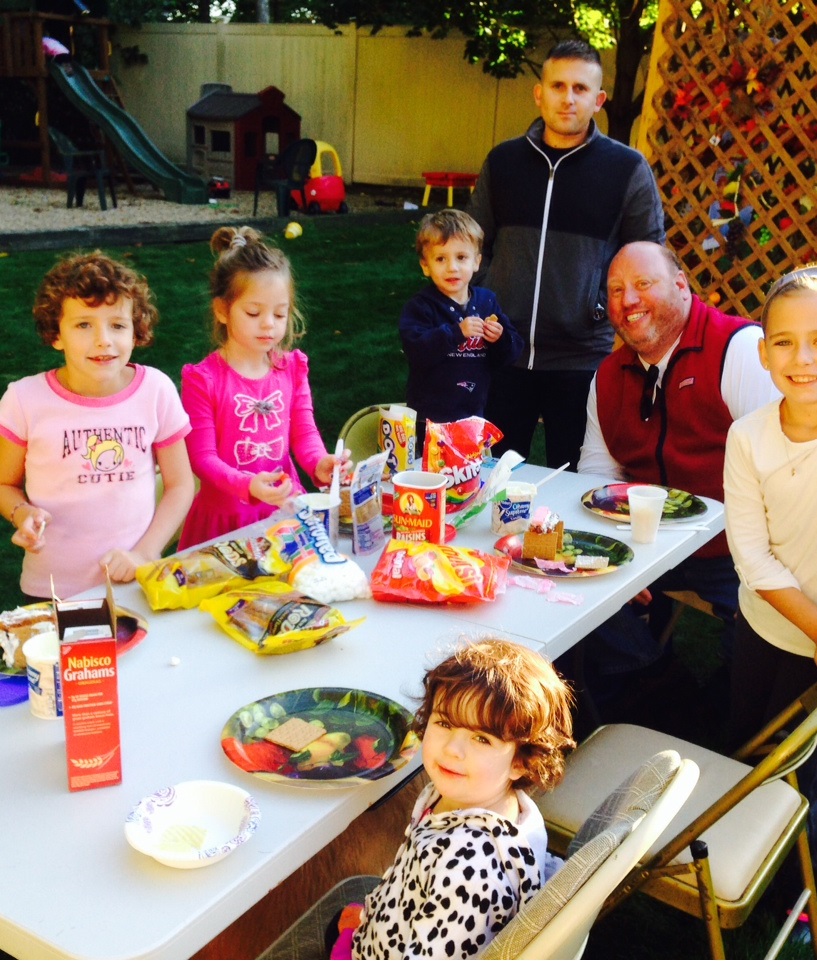
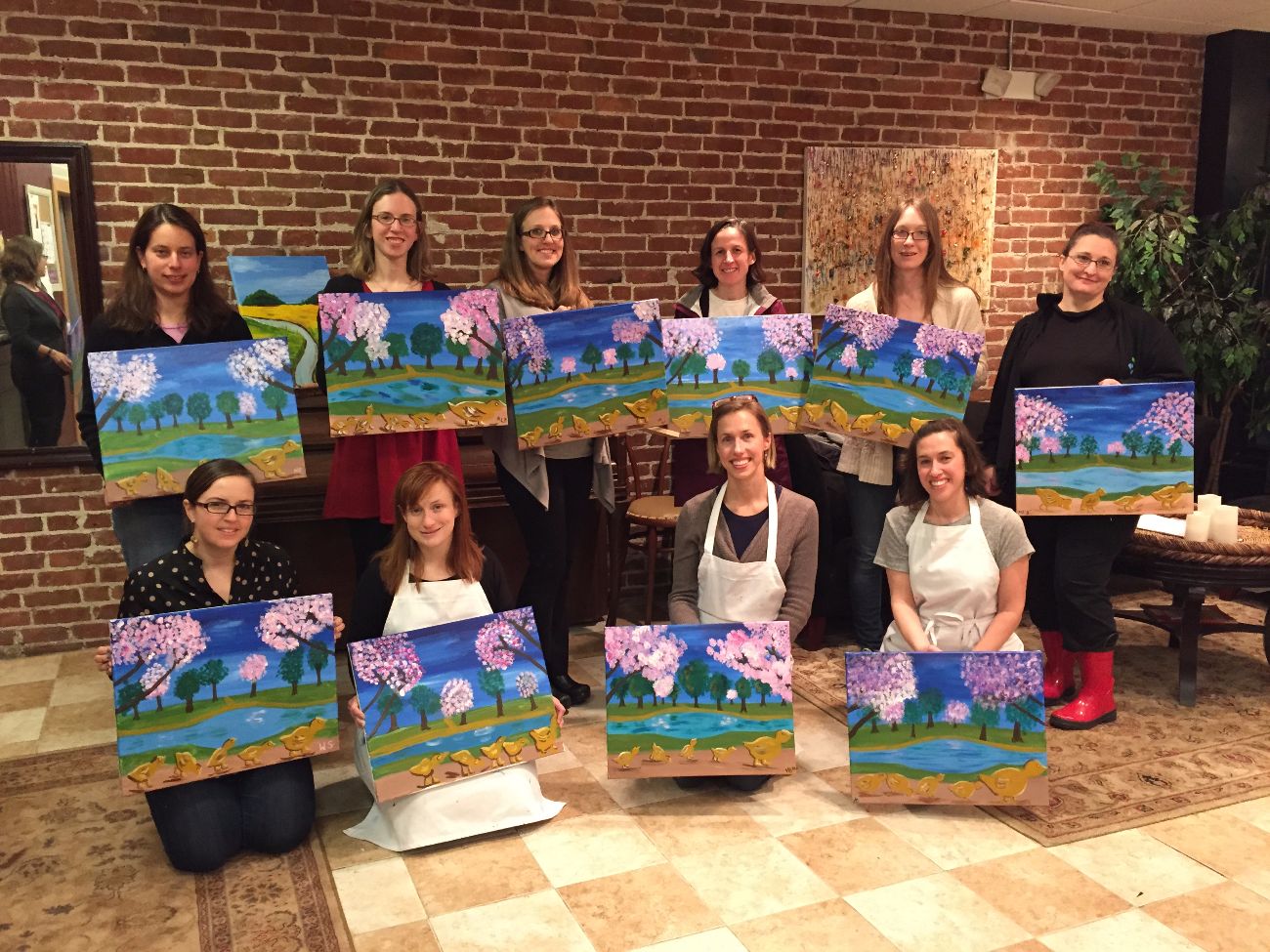
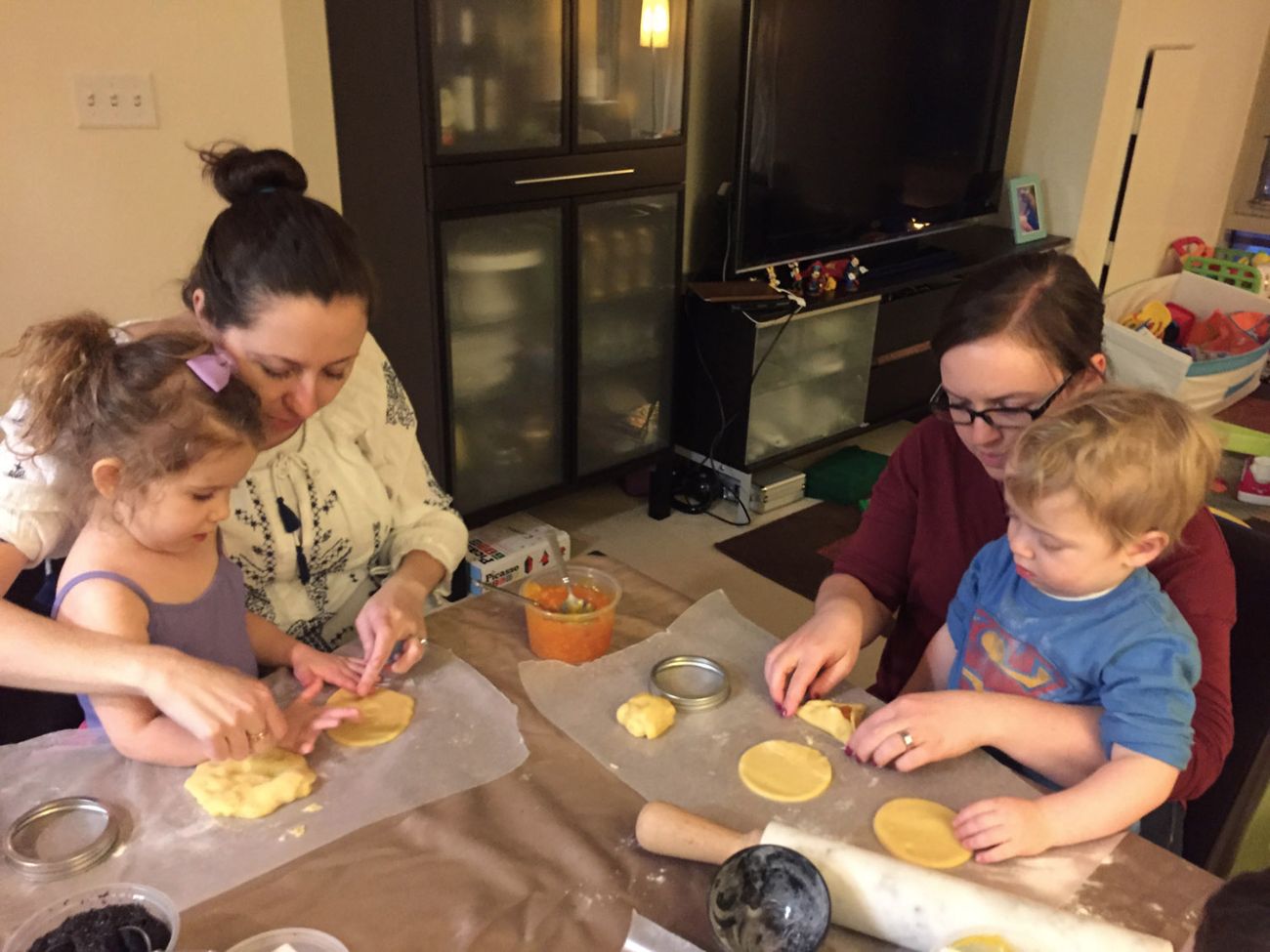
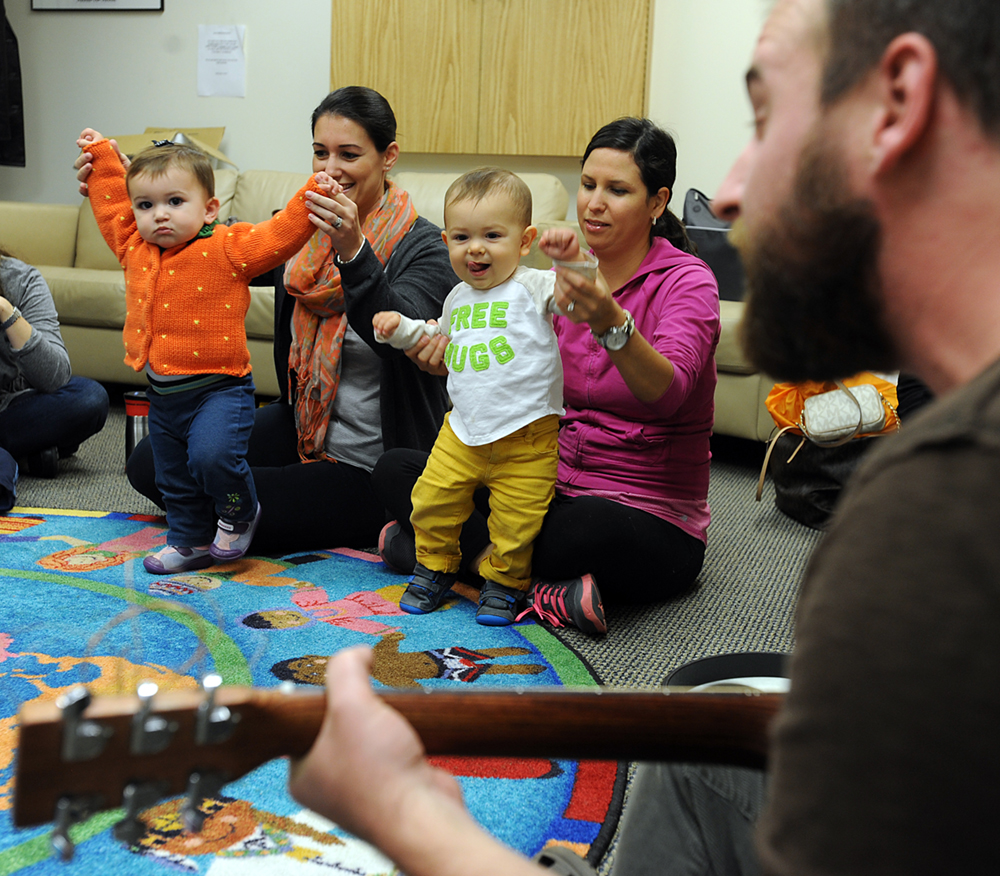
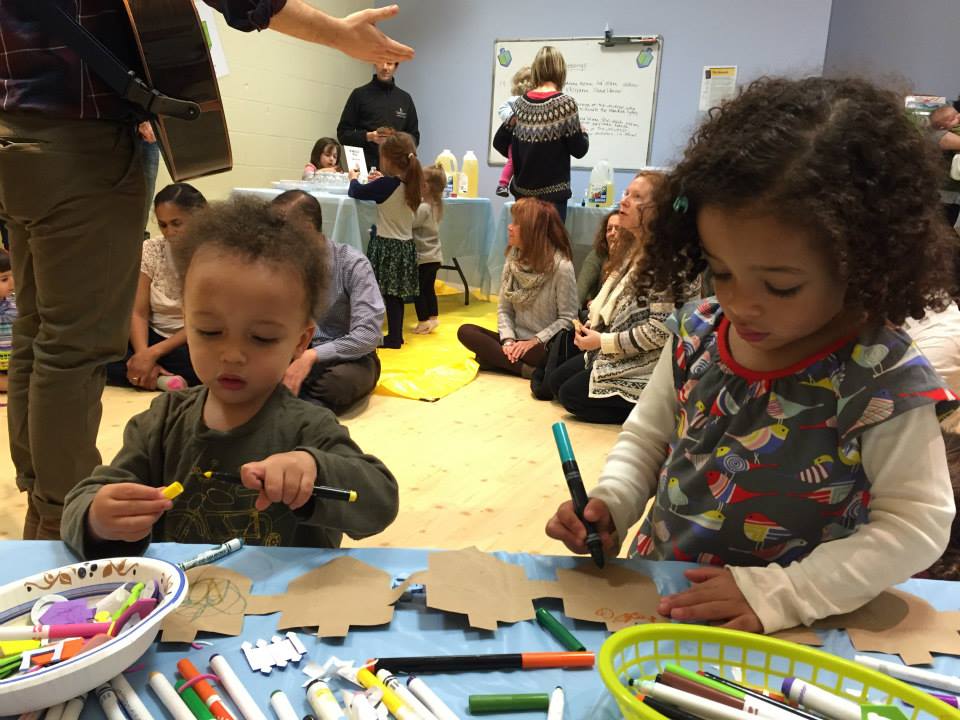
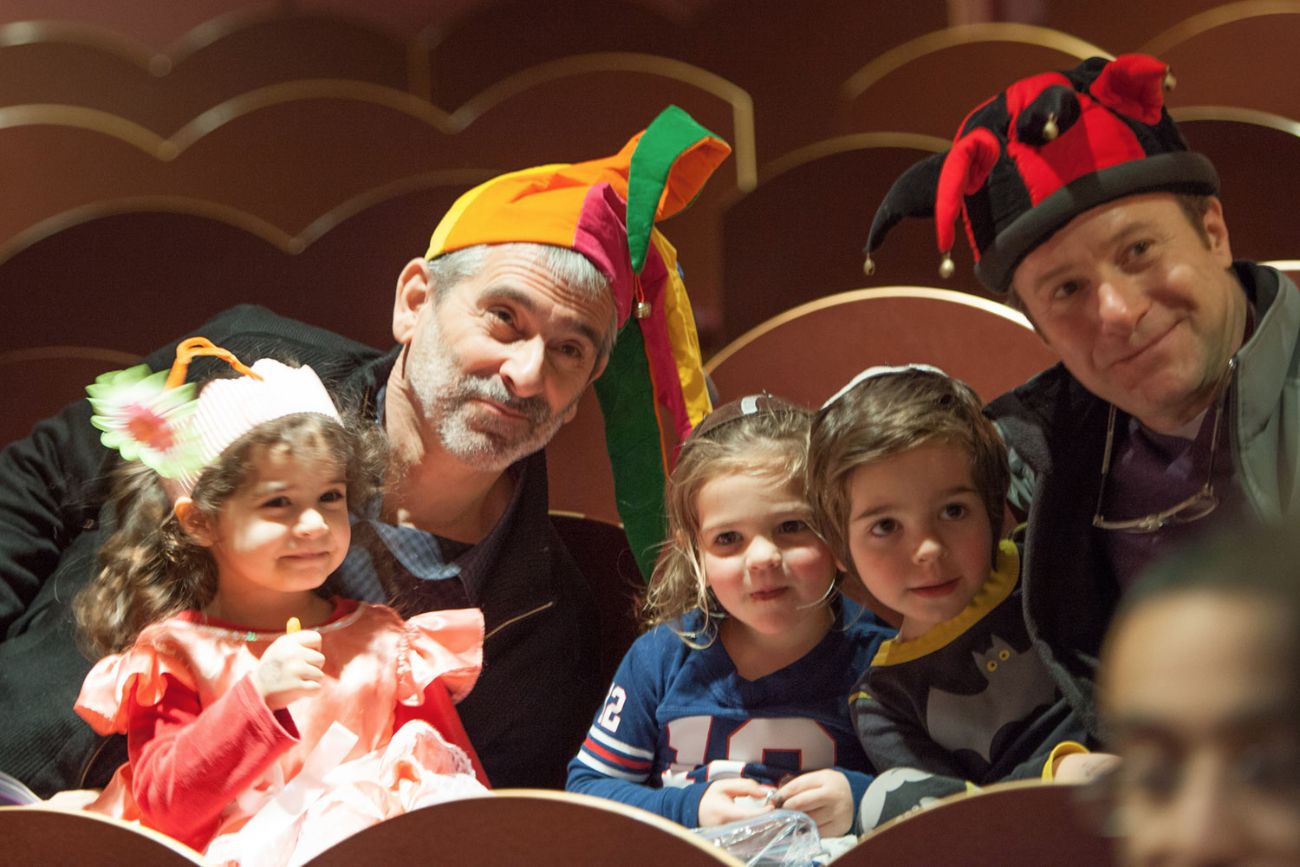
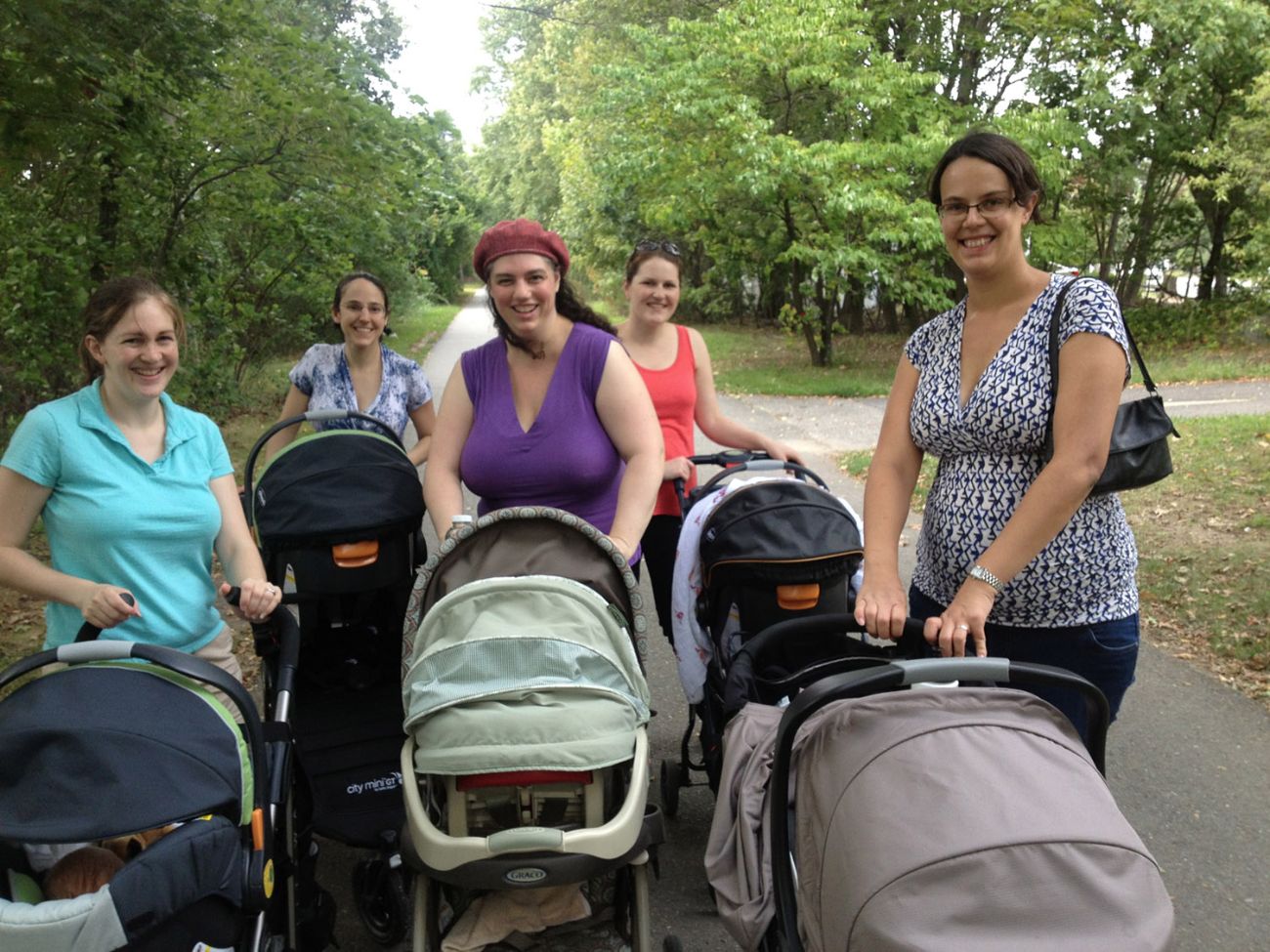
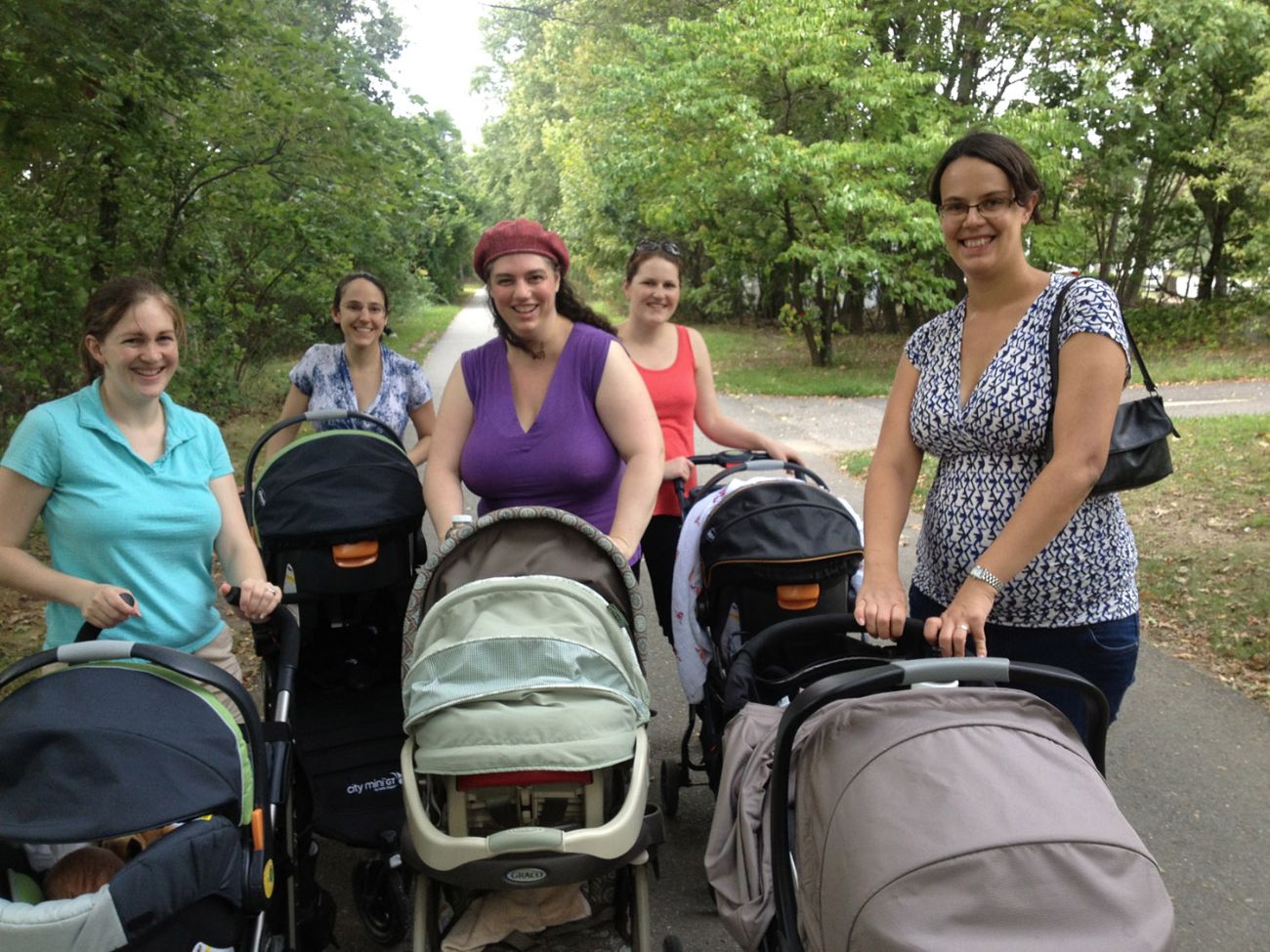
Taking a building to the people--more that 50,000 people spanning a geographical radius that includes 98 communities--is no small feat. And yet, that’s precisely what this JCC has done. Fifteen hundred people showed up to a Chanukah event at the Boston Children’s Museum last December. Seventeen hundred people turned out for a Cirque de Purim party last March. In September it was Rosh Hashanah at the Danforth Museum in Framingham, with music, art and activities for kids. From stroller walks to Barnes and Noble talks to Friday nights at the Vilna Shul to Mom’s Night Out with yoga, wine and cheese, Boston area Jews and their families can pick from hundreds of events to participate in, and many of them happen outside the JCC space.
“This is an era of ‘pervasive choice,’ Sokoll asserts. “We want to be a portal to a place where people can build their Jewish identity—for themselves and their families—on their own terms, without judgment,” he says. “However they choose to enter, we support them.”
But how, exactly, do they make this happen?
“Programs are the key,” Sokoll attests. In fact, in the research that they’ve done, Sokoll and his colleagues have discovered that people are 91% more likely to bring an element of Jewish celebration into their home if they’ve participated in an outreach program like climbing a pyramid rock wall and ziplining across the Red Sea at a PJ library “Rock on Passover” event or Summer Sizzle Shabbat in the City, where one can connect with other families living in Boston, sing, eat a festive meal, and make Shabbat crafts to bring home.
“But it’s also the books,” Sokoll adds. Namely, he’s referring to the PJ Library books.
“For us, the entire concept is to be a center for families, and to-date, our biggest outreach tool are PJ library books,” Sokoll explains, referring to the Jewish family engagement program funded by the Harold Grinspoon Foundation which mails free Jewish children’s literature and music to families throughout North America, on a monthly basis. “Through the books, we try and enter into as many Jewish homes, or Jewish homes-in-formation, as possible,” Sokoll continues. “There are people in areas throughout greater Boston who are making all different choices about where and how they live, who they marry and what kind of family they want. The bottom line is: if we get them the PJ library books, they can become educators in their own homes.”
Once that happens, Sokoll explains, JCC staff—Jewish professionals who Sokoll refers to as ‘hub connectors,’ who are charged with knowing the families in their regional area and reaching out to invite them to JCC-sponsored events—work to engage those families in Jewish life programming. And once a family attends a JCC event, their info is put into a master database from which a core constituency is formed.
And what, exactly, is the end-goal with this master database of names? “We have no preconceived destination for the journey [of our families] Sokoll assures. “For us, it’s critically important that people get engaged with Jewish community and then make choices—we would love it if people joined synagogues, but our goal is not necessarily just for people to join synagogues. Our job is to help people make choices, and make more Jewish choices, but—and this is different than a synagogue—we keep our ‘menu’ as broad as it can possibly be.”
Sokoll goes on to explain that the way he understands it, the culture of young families today is quite different than years before, which means that in addition to “pervasive choice,” this is an era of “embracing duality.”
“This generation seems to want to avoid conflict in their identity,” Sokoll explains. People want to be comfortable as Americans, as Jews, and in who they are and the choices they make. And we want people to find meaning and joy in their experiences, to engage in a way that helps them advance those aspirations, and to feel that by connecting with us, they are happier and lead richer and more meaningful lives.”

So, then, to go back the pressing question at hand…what is the business of Mark Sokoll and the JCC of Greater Boston?
“We are in the Jewish identity construction business,” Sokoll answers, determinedly. “Family by family, household-by household. We are helping people design experiences on their own terms.”
Take one look at the current offerings from the JCC throughout the greater Boston area, and you’re sure to find an experience that suits your needs. But beyond the new parent playground meet-ups, the Family Shabbat Picnic at the Boston Common, the Strawberry Field Jam and Havdalah on the Beach, the “identity construction” that Sokoll refers to happens on the in-between, in those moments when—as he explains—people look around and realize, “hey, the Jewish community is happy to have me here.”
And who doesn’t want that? Sign me up.


