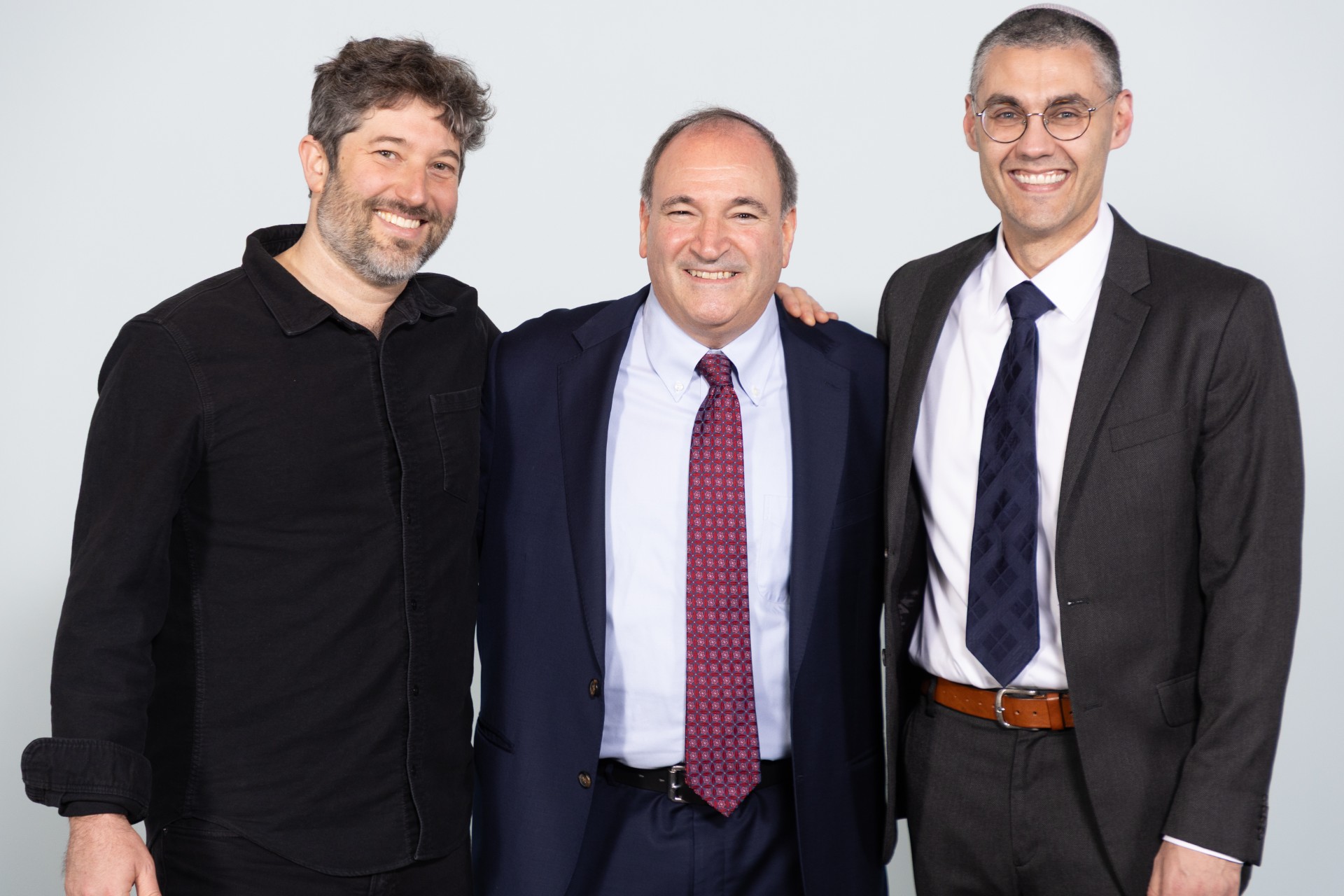

Manashe Khaimov is the founder, CEO, and lead educator of SAMi: Sephardic American Mizrahi Initiative. He is also a lecturer specializing in Bukharian Jewish history and culture and the founding director of the Bukharian Jewish Union, a network for young professionals. Born in Samarkand, Uzbekistan, Manashe’s Jewish identity is deeply rooted in Bukharian, Sephardic, Mizrahi, and Russian-speaking traditions. He has held leadership roles at Hillel International, JIMENA, and UJA-Federation of NY, and has been recognized with numerous honors, including the Queens Impact Award, The Jewish Week’s “36 Under 36,” the Bukharian Jewish Congress’s 2020 and 2021 Person of the Year, the Nahum Goldmann Fellowship, and the Wexner Field Fellowship. Based in Hollywood, Florida, Manashe holds an MSW from the Silberman School of Social Work at Hunter College and a BA in Marketing and Corporate Communication from Baruch College.
The Covenant Foundation: What major milestones did your organization achieve this past year that helped to strengthen the global Sephardic and Mizrahi Jewish community?
Manashe Khaimov: One of our most significant achievements was hosting the international conference, ”Bukharian Jews in the 21st Century: Identity, Memory, Innovation, and Global Leadership.” Held at the Bukharian Jewish Community Center in New York, it attracted over 500 participants from across the United States, Canada, Europe, Israel, and Central Asia. This massive turnout truly highlighted the global reach, vitality, and growing strength of our community.
The Covenant Foundation: Can you share what the inspiration was for the SAMi LENS program?
MK: SAMi initially did not plan to create programming about Israel because many Jewish organizations were already working in this area. However, we identified a critical gap: few organizations were teaching about Israel through a Sephardic and Mizrahi lens.
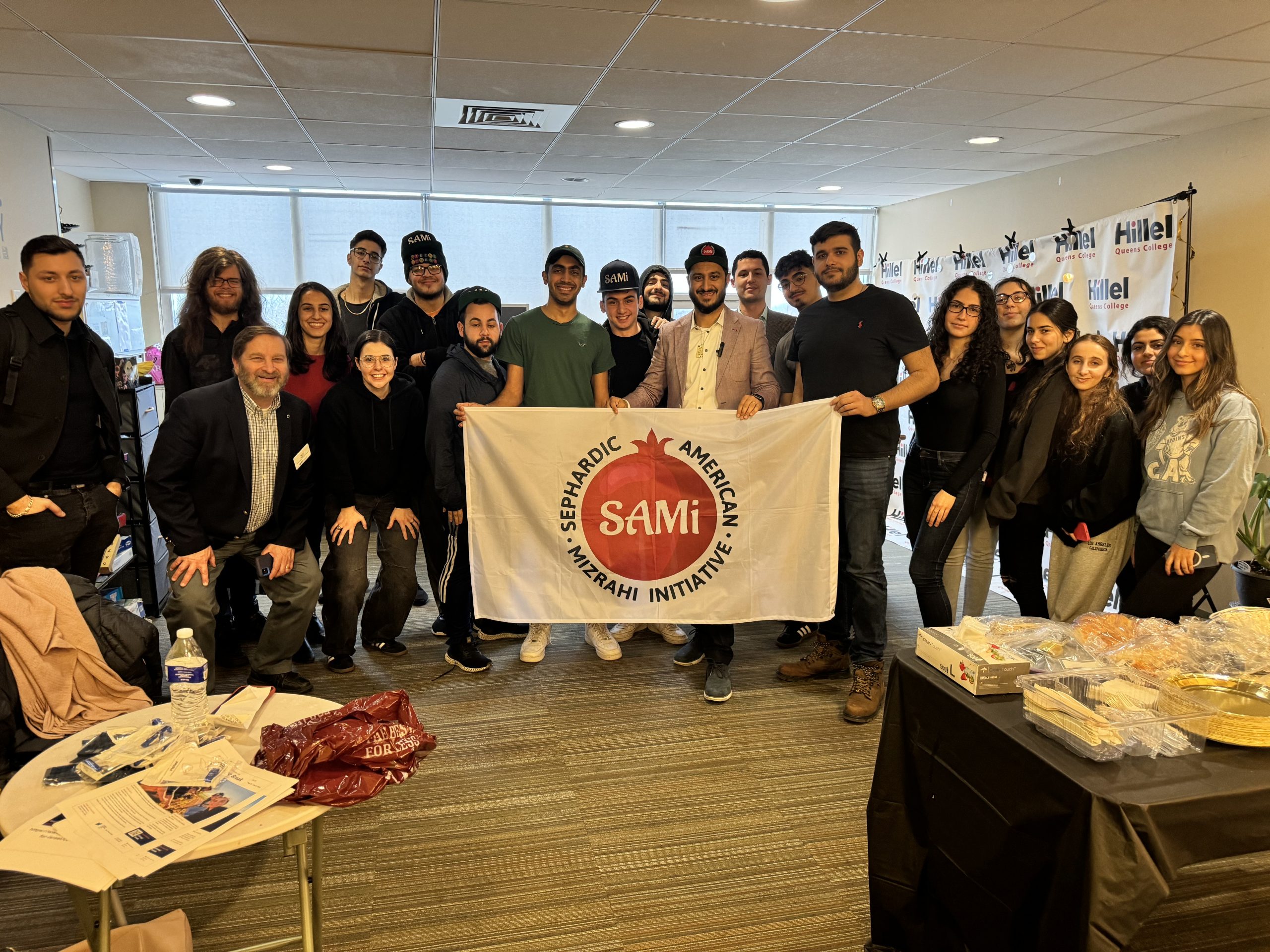
Our SAMi LENS program brings together 25 Jewish students from 21 college campuses, preparing them to understand, discuss, and teach about Israel through these often-overlooked histories. The first session always begins with three questions: What is Zionism? When did it begin? Who founded the Zionist movement?
Most students mention Theodor Herzl, the Dreyfus Affair, the Holocaust, and the need for a Jewish state. They are often completely surprised when they learn about Sephardic Rabbis who were advocating for returning to Zion centuries earlier, such as Rabbi Yehuda Bibas of Gibraltar, Rabbi Yehuda Alkalai of Sarajevo, and Rabbi Shimon Haham of Bukhara. Theodor Herzl did not introduce Sephardic and Mizrahi Jews to the idea of returning to Israel. Their connection was rooted in God’s promise of the land and expressed for centuries through their prayers, poetry, music, holidays, and communal traditions.
The Covenant Foundation: Can you share more specifically what you mean when you use the term a “Sephardic and Mizrahi lens,” and can you provide an example?
MK: A Sephardic and Mizrahi lens shows aspects of history that may get lost in a more traditionally Euro-Centric (Ashkenzi) framework. For example, the Jewish return to Israel did not begin with the First Zionist Congress in 1897. Over many centuries, prominent Sephardic leaders moved to Israel, including Yehuda Halevi, Moshe ben Nahman, Yosef Karo, Moshe Alshich, Shlomo Alkabetz, and Dona Gracia Mendes.
Furthermore, communities built physical roots long before modern political movements:
- Bukharian Jews began migrating to Israel in the 1830s, establishing the Bukharian Quarter in Jerusalem outside the Old City walls by the late 19th century.
- Jewish families from the Caucasus established synagogues and communal institutions nearby during the 1880s.
- Yemenite Jews began building homes and a synagogue and established Kerem HaTeimanim (the Yemenite Quarter) between 1881 and 1914.
- Kurdish Jews established a vibrant community in Jerusalem in 1895 called Nahlaot – Shaarei Rahamim.
The Covenant Foundation: What is your hope for how the SAMi LENS curriculum will be utilized?
MK: For now, this resource is being used internally and has not yet been published. Our hope is to eventually develop it into a practical toolkit or guide that Jewish day schools and college campus organizations can use to bring Sephardic and Mizrahi history, culture, and experiences into their educational programming.
The Covenant Foundation: What practical outcomes do you hope to see in the Jewish community because of this training?
MK: Students who learn only one version of Jewish history are not fully prepared to understand their own Jewish identity or respond to narratives that erase the Jewish people’s deep connection to the land of Israel.
Through SAMi LENS, students gain historical knowledge, leadership skills, and greater confidence discussing Israel on campus and beyond. They learn how to bring these overlooked stories into classrooms, campus programs, and conversations with their peers. Our goal is not to replace the familiar history of modern Zionism; it is to expand it so that Sephardic and Mizrahi experiences are recognized as an essential part of the Jewish story.
The Covenant Foundation: How are you engaging and recruiting the next generation of these student leaders?
MK: We meet students exactly where they are. SAMi has established a robust ecosystem on college campuses that creates a leadership pipeline. We are currently on 16 campuses in 6 states and that number is growing every year. Students recruit their friends after experiencing a program with SAMi Hub on campus.
The Covenant Foundation: On a personal note, we know that you recently spent time studying in Jerusalem. How has that experience impacted your work as an educator and leader?
MK: I have always wanted to learn in Jerusalem, but growing up, I did not have access to Yeshiva-style learning or Jewish texts. When I finally had the time, I didn’t have the means. As a Pomegranate Prize recipient and Wexner Field Fellow, I was able to spend one month in Jerusalem learning in a yeshiva.
This experience helped me recognize the importance of investing in my own Jewish education as a leader. Developing this foundation gave me greater confidence and a shared Jewish language. This learning is especially meaningful to my role as Executive Director because many Sephardic and Mizrahi donors and communal leaders come from traditional, Yeshiva-educated backgrounds. Developing this shared language has helped me build deeper relationships, better understand the communities we serve, and bring greater Jewish depth to my leadership.
The Covenant Foundation: Can you share how receiving the Pomegranate Prize has impacted your professional journey?
MK: Receiving the Pomegranate Prize has been a wonderful opportunity to build on my experience and expertise in Jewish education. It has inspired me to think more creatively and strategically about how I develop educational materials and bring Jewish history, culture, and traditions to life. I am now exploring new ways to transform my knowledge into engaging curricula and educational experiences that can reach broader audiences, particularly the next generation of Jewish leaders.
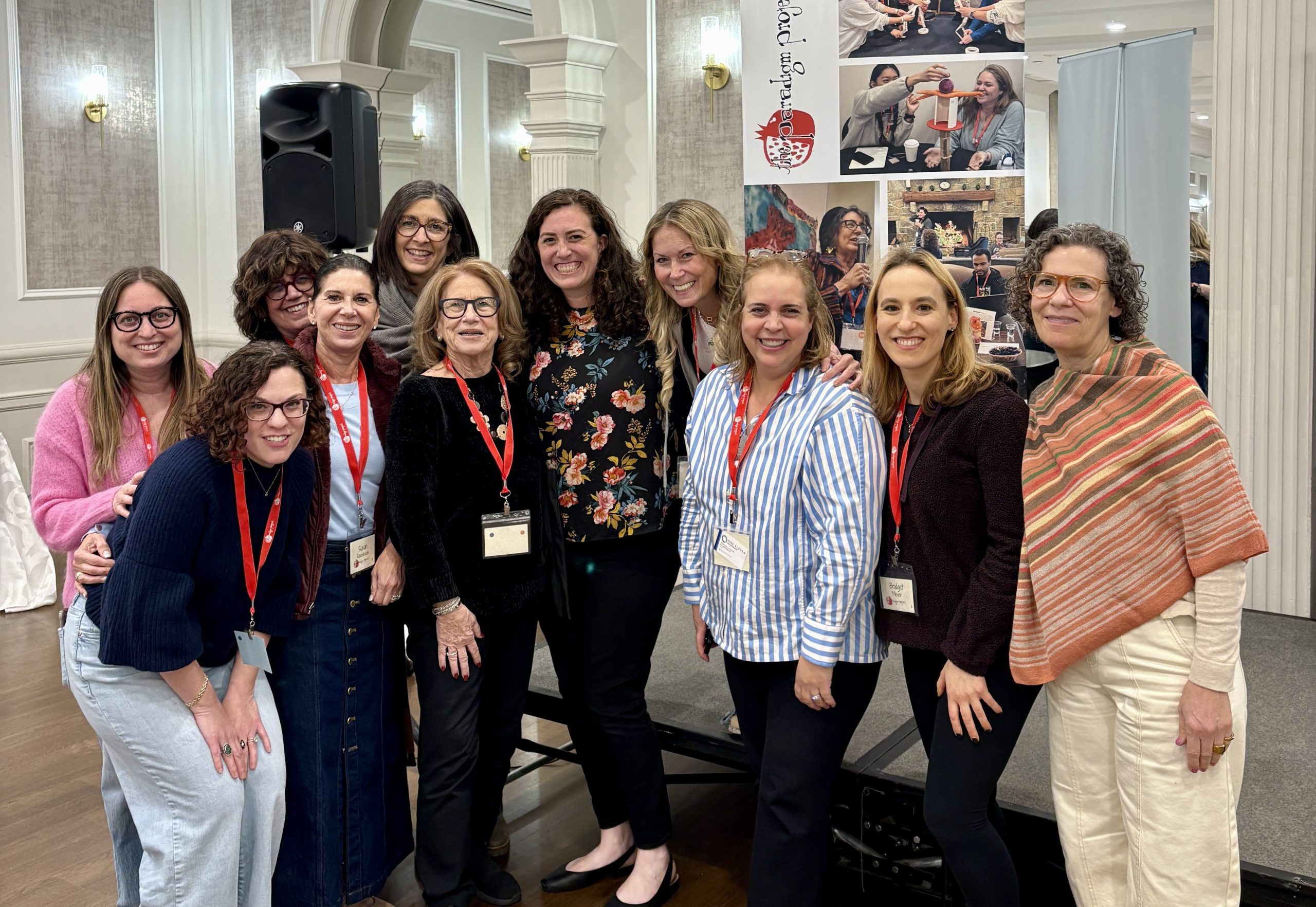
One of the greatest highlights has been connecting with an incredible cohort of Jewish educators and becoming part of a larger professional network. The exchange of ideas, experiences, and educational approaches has been both inspiring and enriching. I especially value the opportunity to build relationships with colleagues from different areas of Jewish education, learn from their work, and explore opportunities for future collaboration. Being part of this network has opened new doors for partnerships and creative approaches to Jewish learning.
Read more from Manashe:
An Act of Good Will Softens the Hurt of an Exodus in Uzbekistan | Distinctions
More than a history lesson: Reflections from a campus tour | eJewish Philanthropy